Alphabet Lane: This Australian Film Turns Imaginary Friends Into a Relationship Thriller
Alphabet Lane is a darkly funny, deceptively sharp thriller about a couple who move from Sydney to the Monaro Plains, and then slowly lose their grip on reality through an escalating brinkmanship of imaginary friends. Read our film review and find where to watch in cinemas.

good.film
5 months ago

Share
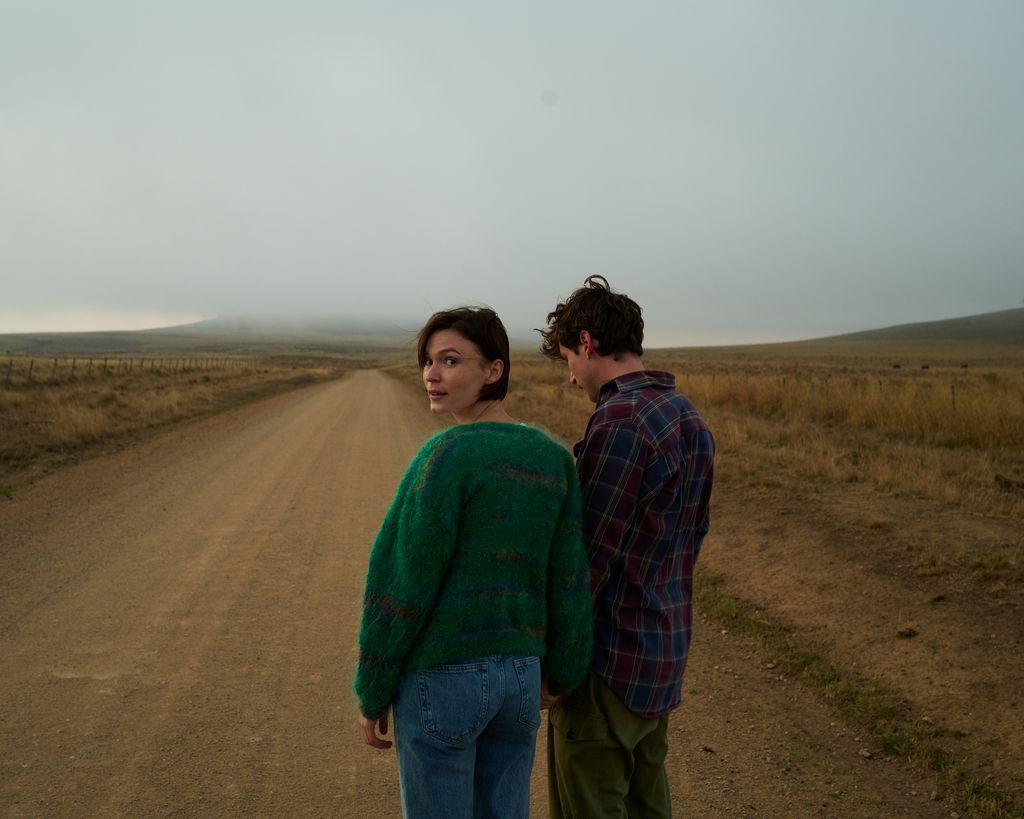
Have you ever dreamt about escaping the big smoke and running headlong into the idyllic embrace of the Australian countryside? Well, after watching James Litchfield’s directorial debut you might start rethinking any sudden changes of scenery.
Alphabet Lane is a darkly funny, deceptively sharp thriller about a couple who move from Sydney to the Monaro Plains, and then slowly lose their grip on reality through an escalating brinkmanship of imaginary friends.
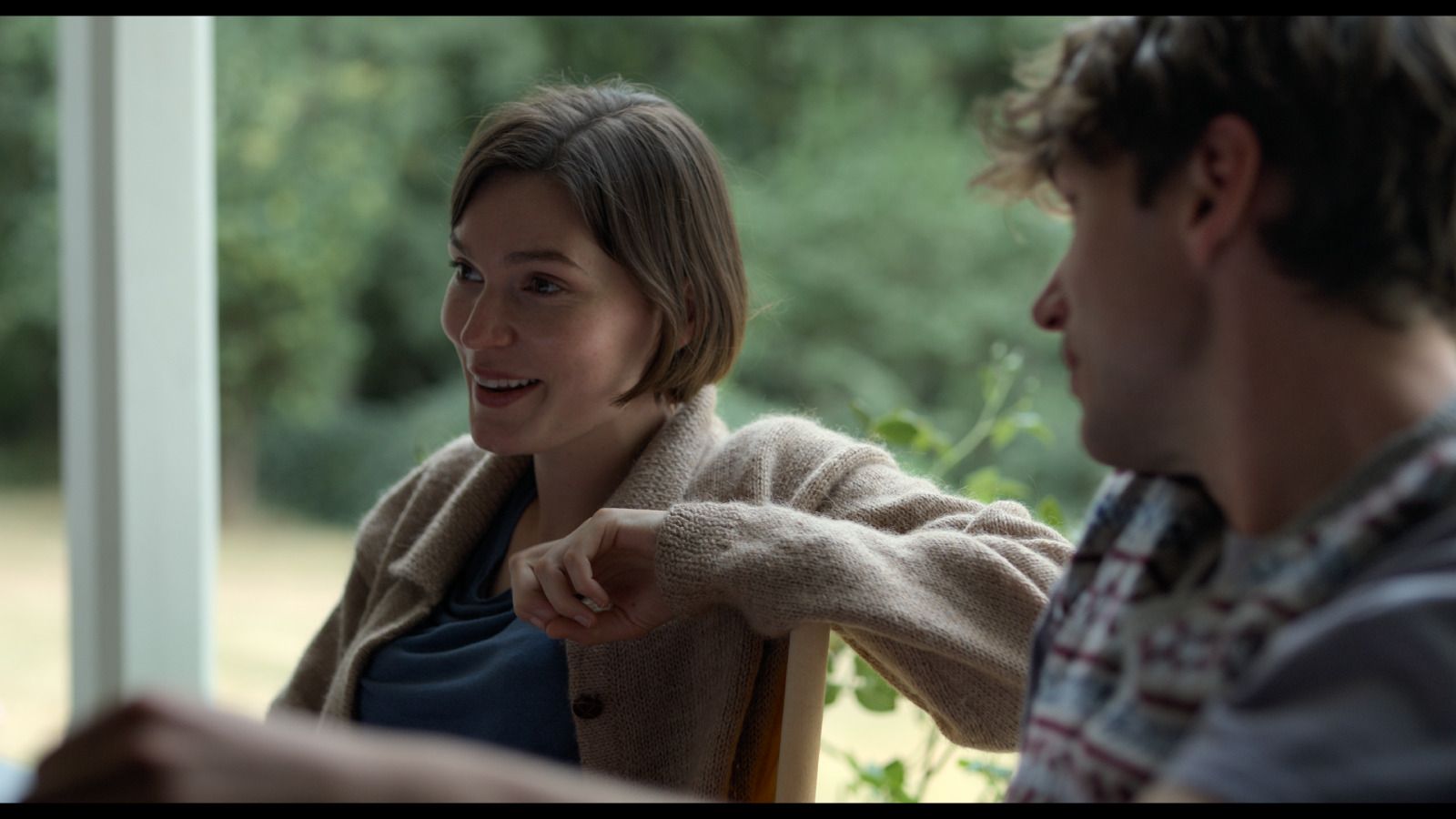
Coming in at a lean 80 minutes, Alphabet Lane packs a remarkable amount into its tight runtime. We saw it before its national release on April 23rd, and haven't stopped thinking about it since.
The Quick Bite on Alphabet Lane
What's it about? A couple leave Sydney for regional NSW to see if the grass really is greener, only to find that isolation does strange things to the mind, and the heart.
Who directed it? James Litchfield (feature debut)
Who stars in it? Tilda Cobham-Hervey, Nicholas Denton, Henry Nixon
Where can I see it? In independent cinemas across Australia from April 23rd. Find a screening near you.
What is Alphabet Lane about?
Anna (Tilda Cobham-Hervey) and Jack (Nicholas Denton) are a sweet, playful couple at a personal crossroads. They've left Sydney behind and planted themselves on the windswept Monaro Plains in regional NSW, to see if the grass really is greener. But we meet them at a point when their idyllic homesteader fantasies are beginning to run up against the lonely reality of life in the country.
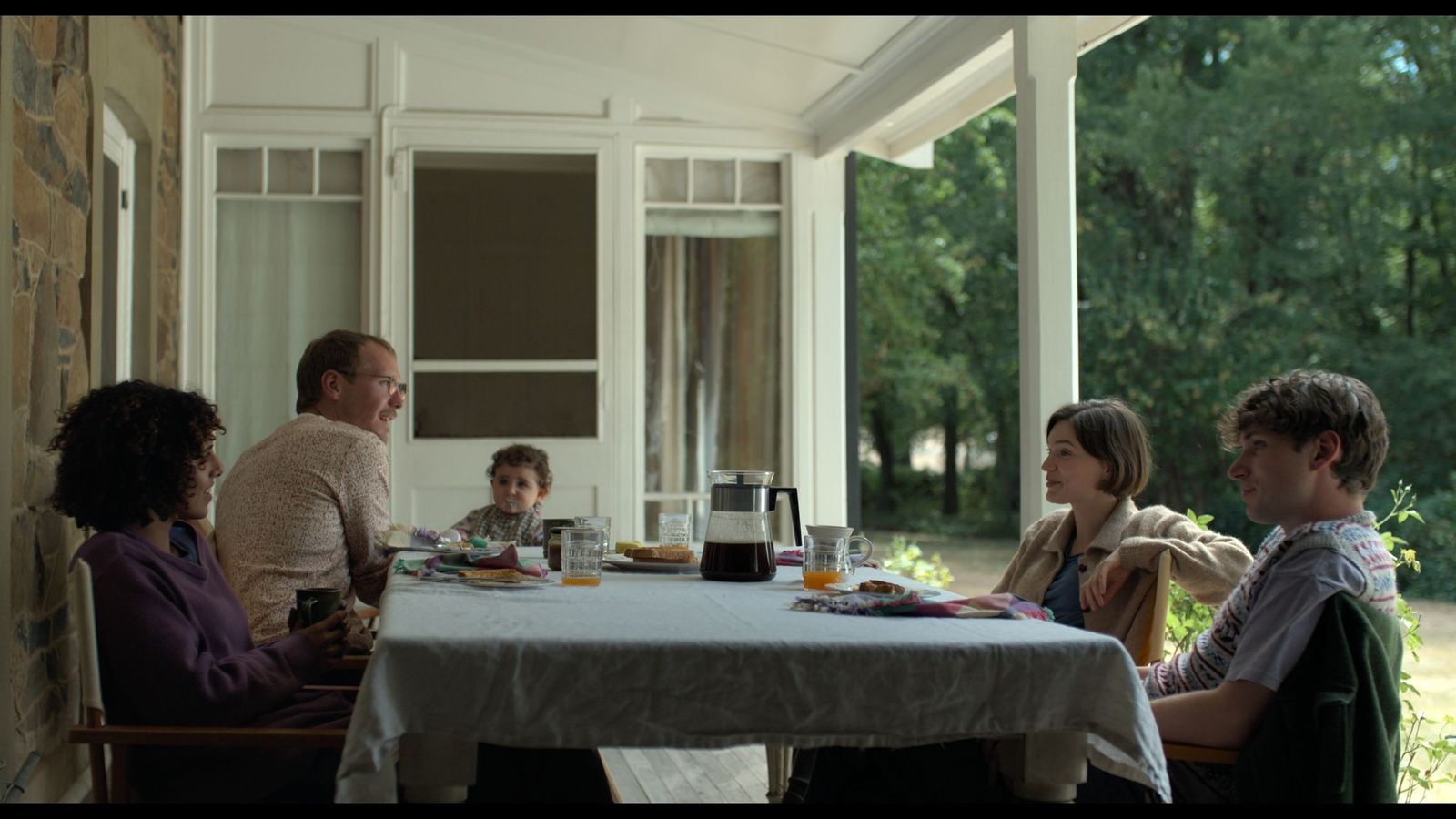
Their taciturn neighbour Cory (Henry Nixon) gives small talk a new meaning, and the friends they left behind are a phone screen away but feel a world apart. So Jack does what any imaginative, slightly reckless partner might do - he invents some imaginary friends for the two of them. Enter Joe and Michelle: fictional neighbouring couple who are fun, warm and easy company.
What starts as a trivial bit of fun to lift their spirits gradually begins to dismantle their relationship, and their mental stability. Litchfield even teases just how dark this could get with a fleeting moment in which Jack jokingly recreates the iconic chainsaw scene from The Texas Chain Saw Massacre. It's a more than subtle wink at the uncanny horror simmering beneath, but this isn’t a supernatural thriller. It’s a genre-crossing story that feels uniquely Australian.
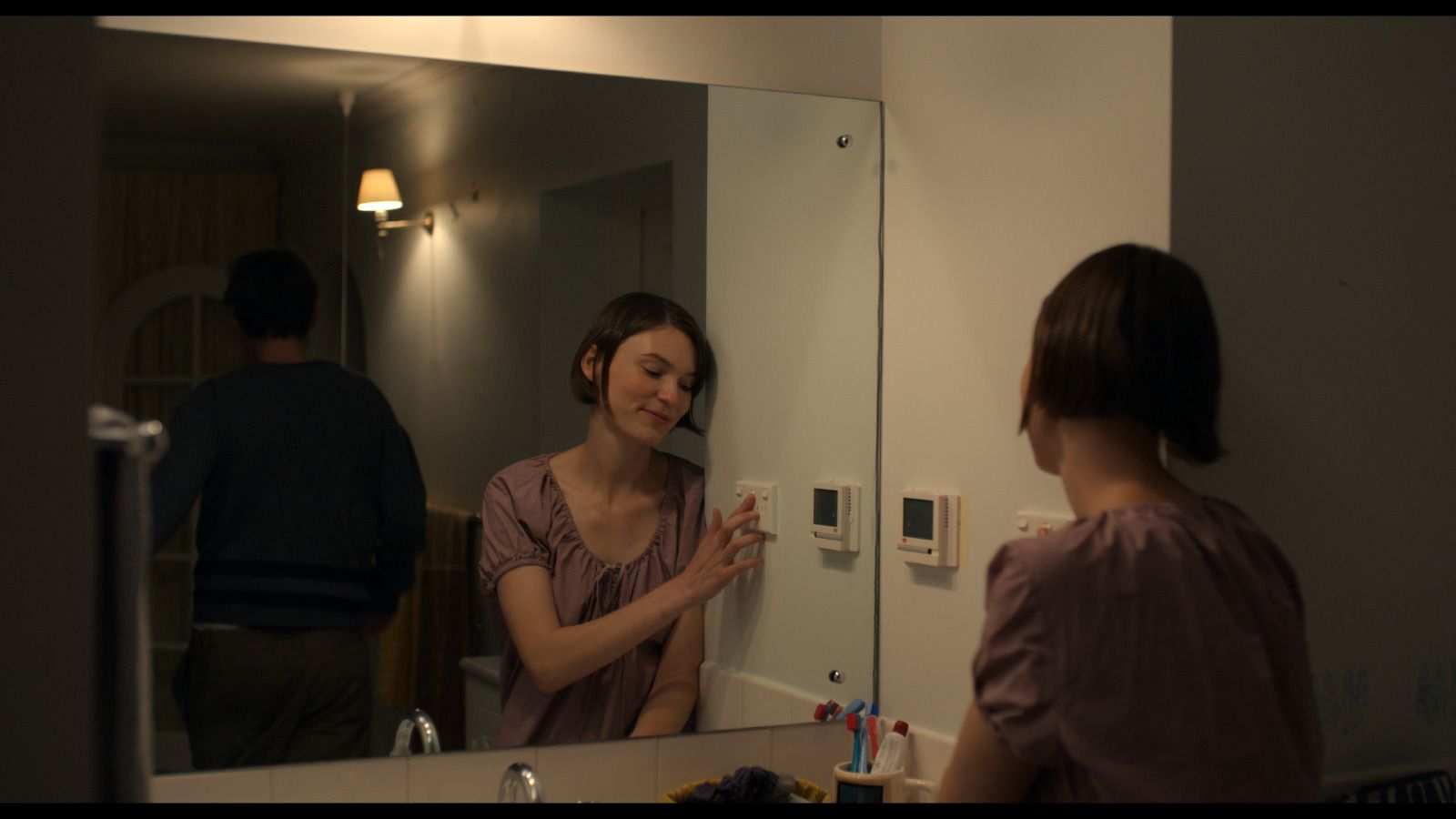
Is it a thriller? A comedy? A relationship drama?
Honestly? Alphabet Lane is all three, and that's what makes it so interesting. If you're a fan of Martin McDonagh's dark absurdist humour (think In Bruges or The Banshees of Inisherin), you'll recognise the off-kilter energy that runs through this film. You won't always know whether to laugh at the comic lunacy or grip your armrest tensely as these two Sydney-siders slowly unravel.
It's a juggling act that could easily come crashing down, but Litchfield holds it all together by keeping the film grounded in something real: a relationship under strain. The genre elements never overwhelm the emotional core. This is, at its heart, a story about two people trying to stay together, and all the strange, desperate, sometimes self-destructive things they do in the attempt.
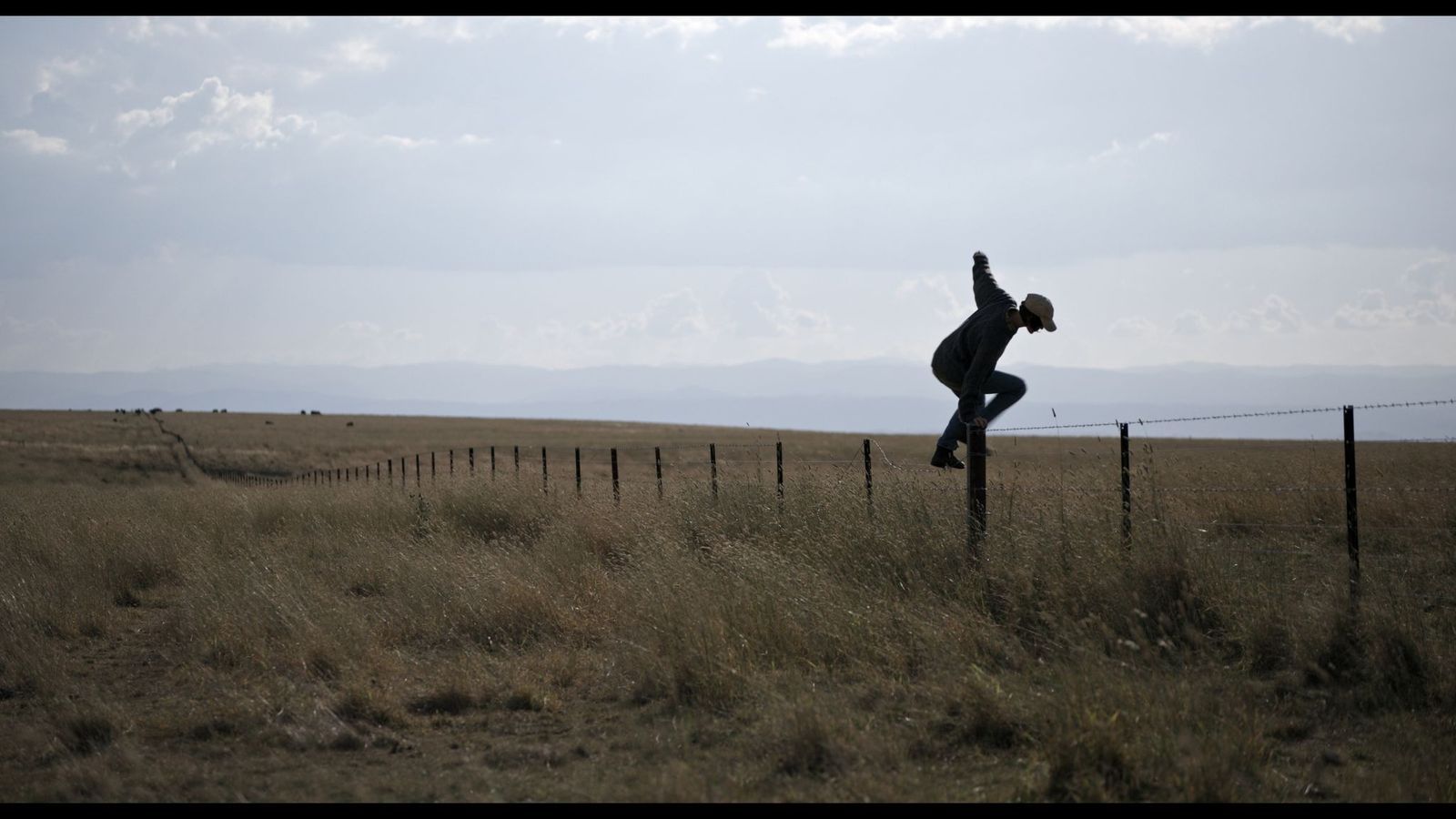
What does Alphabet Lane say about relationships?
As actress Tilda Cobham-Hervey observed at a Q&A screening, most relationship films are about the beginning or the end. This one is about the middle, about what people do to stay together and the “bids” they make as they try to figure things out.
From the start, this particular relationship is structured by sacrifice and guilt: Jack seemed to have initiated the move to the country, not Anna. She's there partly because he wants this life, and she loves him. That imbalance sits beneath everything.
The invented friendship with their fictional neighbors - Joe and Michelle - begins as a game. They’re an extension of Anna and Jack's natural tongue-in-cheek playfulness and intimacy, and their entrance into the story feels believable, not plot-devicey. But it gradually becomes a way of expressing needs that neither of them can state directly. As Anna’s sense of isolation increases, her attachment to the imaginary neighbours slowly starts to feel like more than play. When Jack tries to “kill them off” as the story begins slipping out of control, she resists.
Anna’s decision to up the drama and talk about their imaginary neighbours to real people is especially telling. At first, it reads as a bid for connection. Later, it feels closer to sabotage, or at least a desperate attempt to make visible just how isolated she is. At this point the desperation takes over and drives these two to a finale that no-one was expecting - least of all us! No spoilers here though ;)
What does the film say about the fantasy of country life?
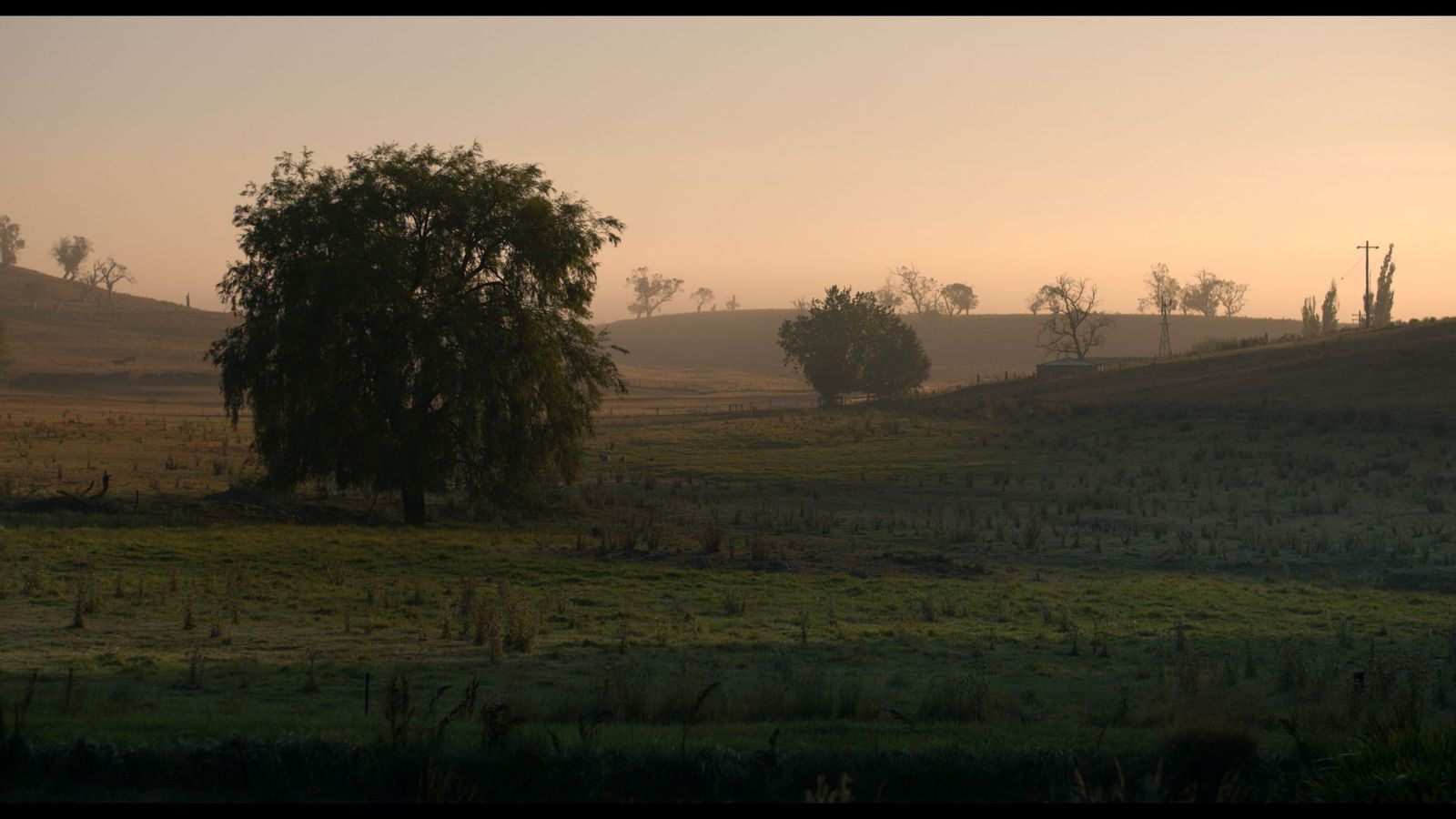
One of the film’s most interesting threads is the gap between the romantic idea of living on the land and the reality of it. It gives us a contemporary lens on what it means to live in the country, on a farm, in Australia now.
A scene that captures this perfectly is when Jack sits on the porch with the farmer, looking out over the landscape. Jack, who doesn’t have to work or manage the land, seems to breathe in the scenery. He relishes the country, or at least the idea of it. Being there appears to make him feel more authentic, more “real.”
But the film is sharp about the limits of that fantasy. His attempts to connect with the farmer feel awkward and slightly performative; he remains, in some essential way, a tourist; childishly pleased when asked to close the farm gate behind the sheep, or to be invited to try his hand at butchering. When the farmer asks if he would actually want to be a farmer, Jack answers with a quick “no.” He wants the romance of rural life, not its demands.
The contrast in what each man sees is telling. Jack sees a landscape, atmosphere, meaning. The farmer sees shipping containers, machinery, and a property full of jobs still unfinished. They are looking at the same place, but living entirely different truths within it. Once again, Alphabet Lane hints at the idea of constructed, personal realities: not so much ‘lies’ as disparate worlds.
What makes the performances so good?
Alphabet Lane is a theatrical two-hander: Cobham-Hervey and Denton brilliantly weave between the sensitivity of Anna and Jack’s yearning for fellowship and the impish thrill of their dangerous delusions, letting us get caught up in their web of little white lies and big, invisible truths. Our entire understanding of Joe and Michelle, the illusion of these two companions, rests entirely on the lead actors’ ability to tell a story that even we start to believe in. It’s their storytelling as much as it is Litchfield’s that carries this film.
The score by composer Mark Bradshaw (who also composed for Jane Campion's Top of the Lake) builds a musical hum underneath the story. It sits light but uneasy, suspending you in a feeling that something is slightly off even in the most tender moments. It's exactly the kind of score that communicates what the characters can't say out loud.
What's the takeaway from Alphabet Lane?
What we loved about this film was the complexity of it. One friend was drawn to the themes of isolation, another was all in on the directorial decisions and edit, another was deep into the shared fictions of relationships.
One major takeaway was how our communities shape our relationship narratives: the ‘outside eyes’ of our friends, families and neighbours help us calibrate our sense of self. Alphabet Lane is a cautionary tale of a couple who attempts to fill that void themselves.
It’s a great film for getting philosophical: isn’t the whole world one big, shared, negotiated fiction? But it’s also a refreshingly relatable slice-of-life in modern Australia. The familiarity of their millennial-Aussie dynamic makes it even more entertaining to watch Jack and Anna grapple with the nature of reality, and fight for who gets to define it in their relationship.
Alphabet Lane is an independent film, so don’t wait around to catch it in cinemas - it’s getting a limited run this weekend, from the 23rd April. You can find the full list of screenings here.