I Swear, You Need to See This Film
This film about Tourette’s is worth every f-word...

good.film
7 months ago

Share
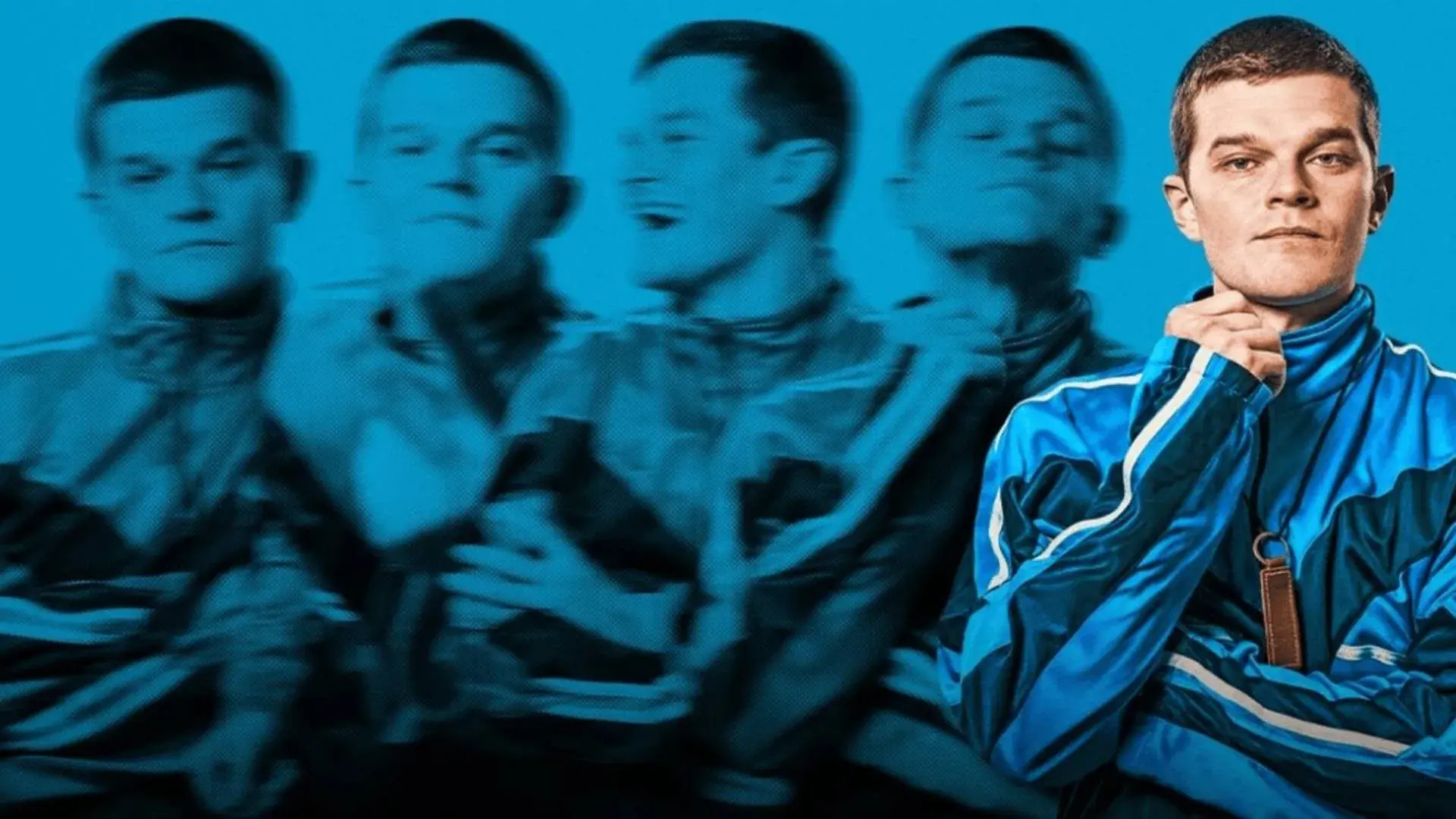
We recently headed along to see I Swear, the indie British film based on the true story of Tourette Syndrome advocate John Davidson (played incredibly by Robert Aramayo), whose tics include coprolalia - involuntary swearing and offensive language.
To be honest, much of what we’d heard about this film came through news headlines after this year's BAFTA ceremony, where John was seated near several microphones during the evening. I Swear won two awards that night, including Best Actor, and during the ceremony John's tics (which he cannot control) included racial slurs at the moment Michael B. Jordan and Delroy Lindo (from Sinners) were on stage.
The incident sparked global conversations, some constructive, others less so. Here at good.film, we were feeling for everyone involved, and the incident raised questions about involuntary behaviour, stigma, and the cost of not understanding. Would it have been better managed (and then less upsetting for all parties) if we had a stronger collective awareness of Tourette's in the first place? Undoubtedly.

And you know what? ‘Better understanding’ is something we can actually act on, so we jumped at the chance to see the film and learn more. I Swear is set in a working class neighbourhood in Scotland in the 1980s, and if you’re a fan of this kind of gritty-but-funny British indie (ie. if you like Billy Elliot, Adolescence, The Young Offenders, Scrapper or This Is England) then I Swear should definitely be on your list.
What’s I Swear About? Diagnosed with Tourette Syndrome at 15, John Davidson navigates his way against the odds through troubled teenage years and into adulthood, finding inspiration in the kindness of others to discover his true purpose in life.
Who Directed I Swear? The film was written & directed by British filmmaker Kirk Jones. The film’s subject, John Davidson, is an executive producer.
Who Stars in I Swear? Robert Aramayo as John Davidson (whose performance scored him Best Leading Actor at the BAFTAs), alongside Maxine Peake, Shirley Henderson, and Peter Mullan.
Where Can I See I Swear? I Swear is out now in Australian cinemas. Get discount movie tickets to see it for less at Dendy, Event, Village and Hoyts Cinemas right here. We donate $1 from every Good Tix sold to Australian charities.
The film tackles some pretty heavy subject matter: themes like stigma and discrimination are at the heart of the messaging. It’s also clear from the trailer that John has suffered from some serious abuse in the past; we glimpse a scene where he’s seen crying, bruised and bloodied, in a hospital bed. So we did have some apprehensions going in; was this film going to be a kind of "misery porn" that would leave audiences feeling helpless and pitying?
It's not. I Swear is surprisingly uplifting, with plenty of warmth and genuine laughs throughout. Admittedly, a lot of these come from John's tics (when he makes a cup of tea, he often tics "I use spunk for milk"), but it's framed in such a way that we're not laughing at him, but at the scenario and widely varied reactions of the people he meets. The film uses this to its advantage: in poignant contrast, there are a handful of scenes where John's tics tear at your heartstrings. When he's grieving, scared, or hurt, we see just how much his Tourette's prevents him from being truly heard and cared for.
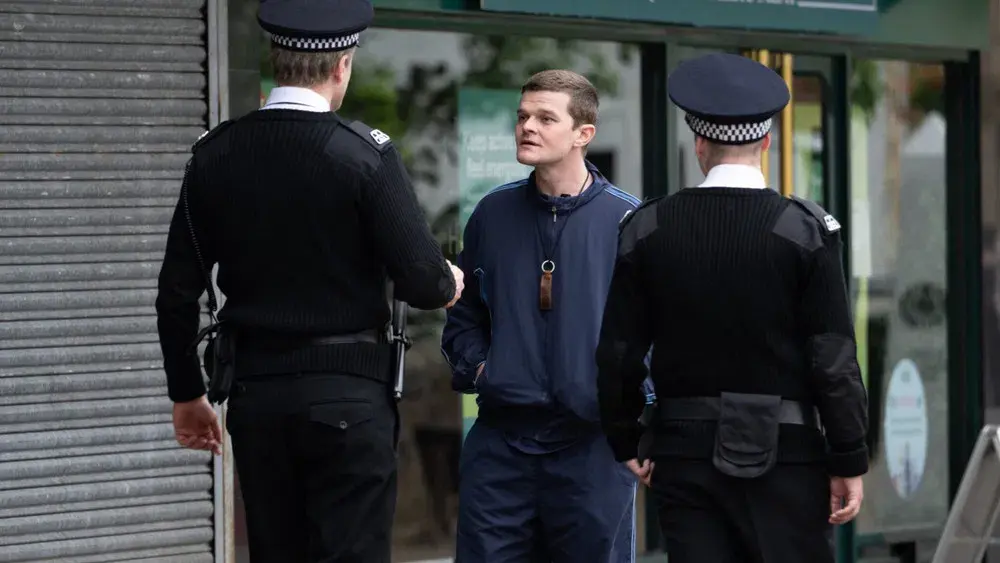
But maybe that's the wrong framing? Because it's not John's Tourette's that's getting in the way of other people's empathy. It's their own ignorance and confusion. That's a key point of the film: the problem isn't Tourette's. The problem is that people don't understand Tourette's.
What's beautiful about I Swear is that these bystanders (or sometimes perpetrators) aren't judged too harshly. There's real compassion here: for the woman on the receiving end of a catcall tic, or for John’s fragile, complicated mother who can't cope with public stares and feelings of personal failure. John constantly accepts accountability, even when he knows it isn't his fault, and offers forgiveness, even when he doesn’t need to. That refusal to blame and shame feels genuinely refreshing, especially in the wake of the BAFTA Ceremony finger-pointing.
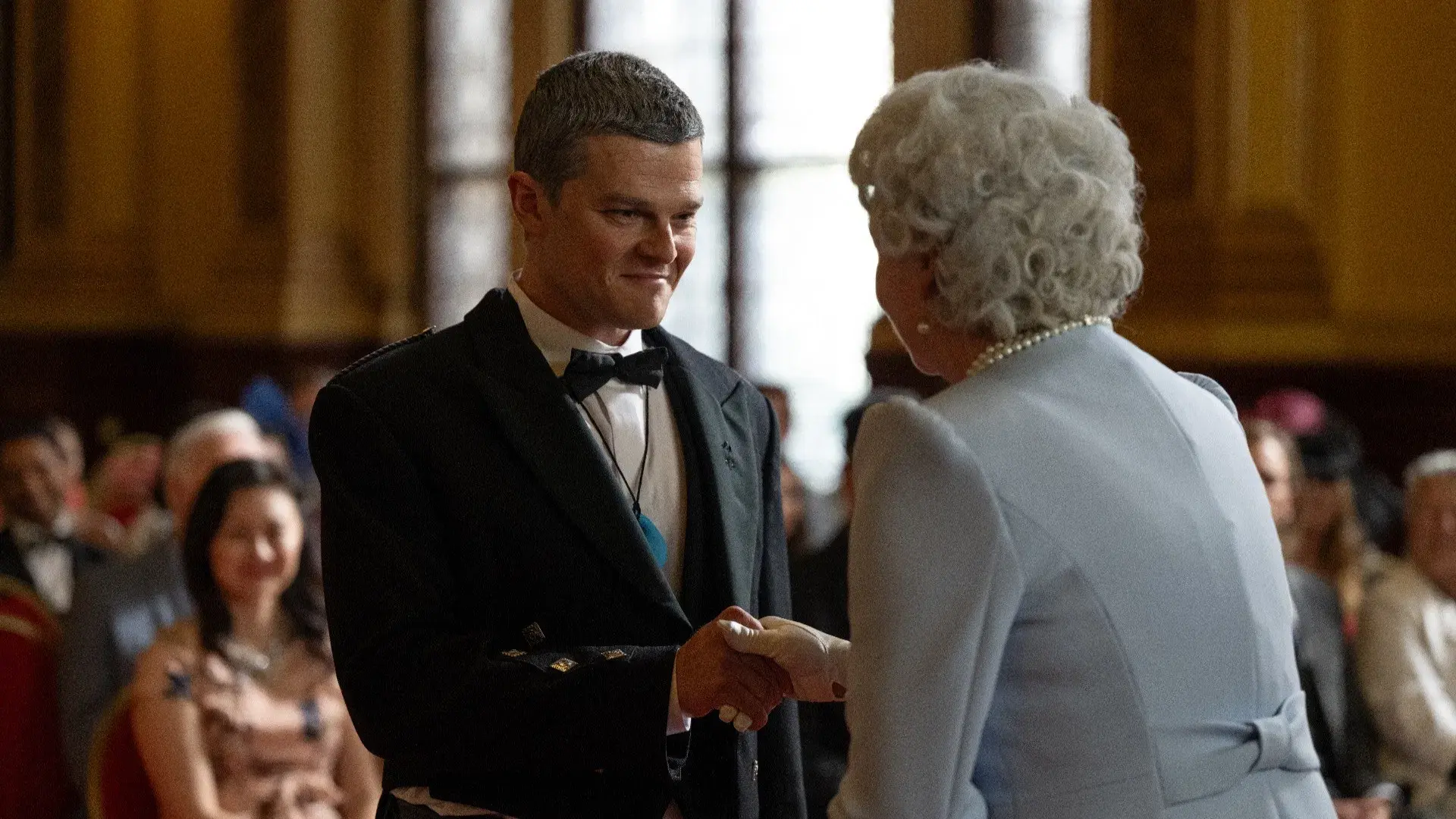
Towards the end of the film, John takes up the mantle of advocate and activist. We see him in rooms with the same kinds of teachers, police, and lawmakers who have wronged him - but he's not there to admonish, just to educate. These are the scenes that feel the most quietly powerful. Change doesn't have to be angry and forceful. Sometimes a gentle conversation is a more effective tool for the job.
It's the sort of message we really valued leaving the cinema with (we even made a little video for Instagram here) so we're getting behind I Swear as it hits Australian cinemas. It's out NOW, so make sure you catch it on the big screen while you can.
Want to see it for less? Get discount movie tickets for Event, Village and Hoyts Cinemas right here. We donate $1 from every Good Tix sold to Australian charities.
We ran a giveaway competition for the good.film community offering free tickets to I Swear. Here's a review of I Swear from one of our competition winners, Life in the Dark. Join the mailing list (it's free!) if you'd like to win tickets or get invites to special events.
Oh, and if you do see it, we’d love your thoughts on the closing scene. Did it send a mixed message, or did it sit right with you? This is a true story after all, and real life tends to resist the neat bow that fiction likes to tie at the end…