Is 100 Nights of Hero the New Princess Bride? A Guide to the Queer Romantasy
100 Nights of Hero is a campy, queer medieval romantasy about a maid who uses the power of storytelling to protect the woman she loves. We break it down, using 7 films, books and TV shows that help explain it.

good.film
a month ago

Share
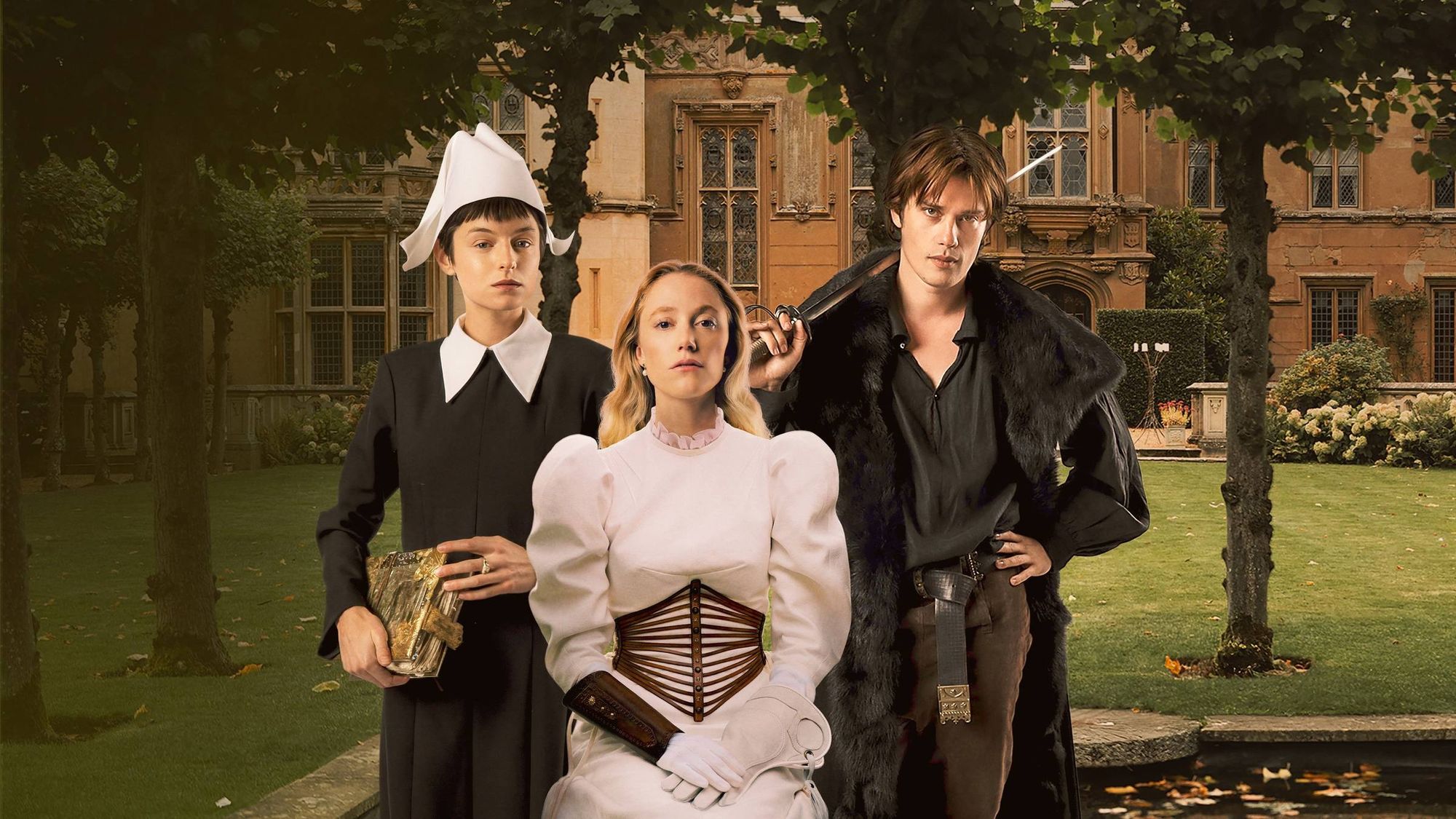
You know how sometimes you watch a film, and the only way to describe it is by explaining the other stories that it reminds you of?
100 Nights of Hero is one of those films. It’s a larger-than-life queer romantasy, set in a stylised medieval world. We wanted to unpack it for you in this week’s guide as a left-field film you might otherwise miss.
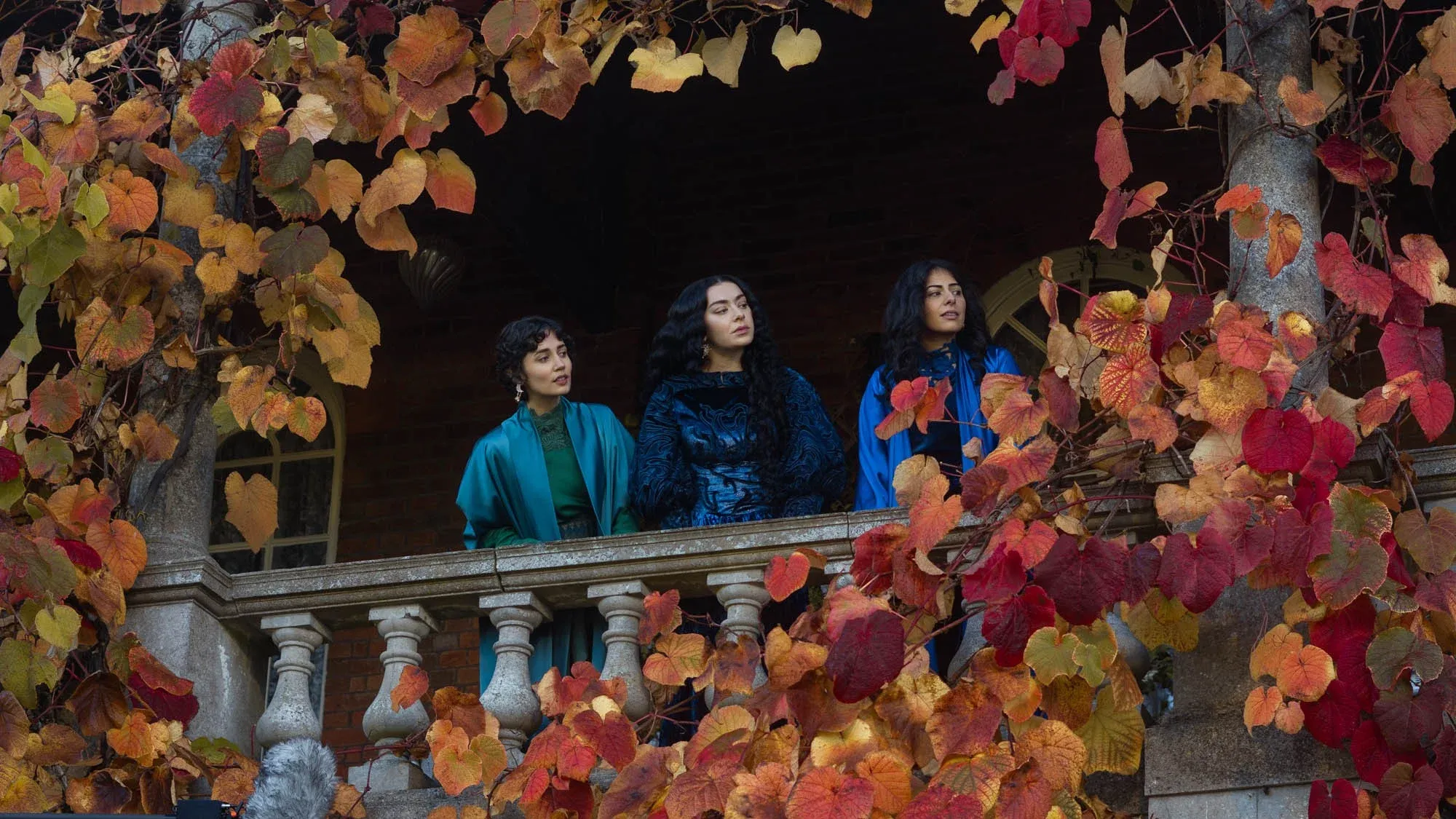
Based on a cult graphic novel of the same name, 100 Nights of Hero is the latest film by emerging British director Julia Jackman, who won the New Talent Award at the BFI Future Films Festival. It’s clearly angling for a millennial/Gen Z audience, with a cast that includes Charli XCX, Emma Corrin (the bald baddie inDeadpool & Wolverine), Nicholas Galitzine (of cult fav romcom Red, White & Royal Blue) and Maika Monroe (scream queen from It Follows and The Guest).
The Lowdown on 100 Nights of Hero
What's 100 Nights of Hero about? A queer medieval romantasy about a wager, a love triangle, and a maid who uses the power of storytelling to protect the woman she loves.
Who directed 100 Nights of Hero? Julia Jackman
Who stars in 100 Nights of Hero? Maika Monroe, Emma Corrin, Nicholas Galitzine, Amir El-Masry, Felicity Jones.
Where can I see 100 Nights of Hero? In limited cinemas around Australia from July 2nd, with a few previews here and there.
We’ll be honest: to begin with, we weren’t quite sure how to interpret this film. It’s stagey and camp, but not immediately apparent whether or not the melodrama is self-aware. But once you settle in for the ride, the tongue-in-cheek nature of the story starts to peek through. 100 Nights of Hero reveals itself to be a charming, cheeky indie film.
And as we suggested earlier, it shines hardest when you see it as part of a constellation: it’s deeply intertextual.
Wait, ‘intertextual’?!
The term ‘intertextuality’ is handy here: it describes how the meaning of one text is shaped by another. ‘Text’ in this setting doesn’t mean ‘writing’, but any cultural artefact, from a fashion accessory to a meme to a nursery rhyme.
100 Nights of Hero is a story within a story within a story. So there’s heaps of intertextuality within the film itself, but that also extends out into all the other films, books and TV shows that make this indie feature comprehensible.
So for this week’s guide, we’re diving into some intertextual analysis! Hooray! We’ll be unpacking how 100 Nights of Hero relates to seven other iconic stories, because we think that context is going to help you fall in love with this queer, dark fairytale. But first…
How does 100 Nights of Hero start?
The film begins with a creation fable: a childlike god named Kiddo creates the world, as a peaceful garden which she leaves for its inhabitants to enjoy. But her father, the hawk-like Birdman, is dissatisfied with her laissez-fair approach. He takes control, instructing the people of the world to worship him. His doctrine includes strict constraints around gender and marriage.
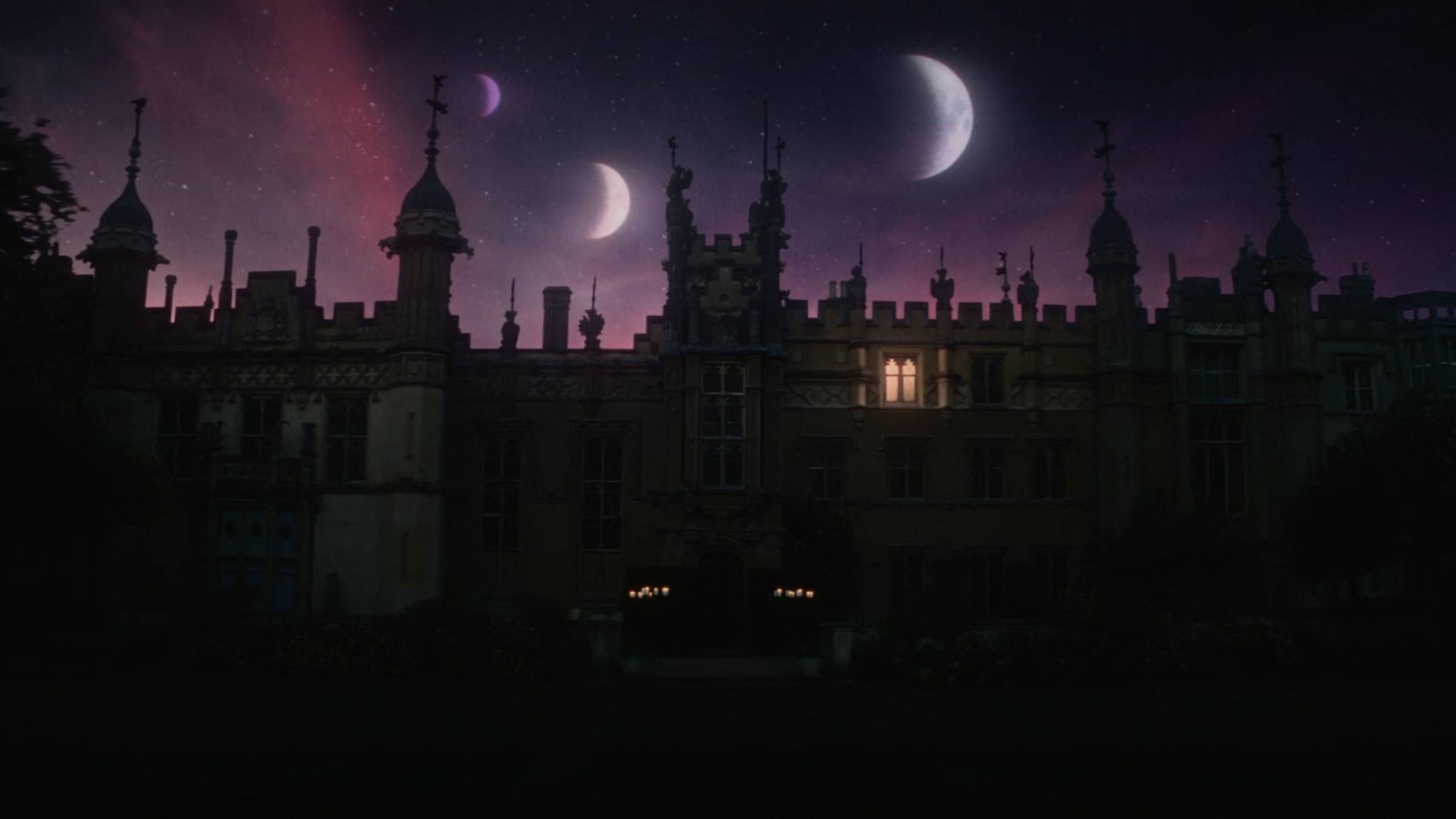
The narration and visual style of this opening sequence sets the tone for the rest of the film: it's kitschy and over-the-top. Scarlett-robed priests wearing bird masks stand around chequered medieval passages, and ridiculous headgear and feathers feature heavily.
What are some references so far?
The voiceover narration, extravagant costuming and excessively structural mis-en-scene of 100 Nights of Hero will feel instantly familiar to fans of Wes Anderson. Every frame is composed with symmetrical arrangements, a distinctive palette and an aesthetic that feels more like a Pinterest board than a real moment.
If you were new to this style it might feel distracting. But if you’re familiar, it’s a choice that says “Hello, I’m embracing the artifice of filmmaking!”. The choice primes you for further Wes-ness: period nostalgia, arms-length emotion and deadpan humour.
2) Psalms and parables
This creationist story is a clear nod to the scripture of Abrahamic texts, which prepares us for a parable: we're looking out for characters and events that are symbolic, and a story with a moral message. But Kiddo doesn't read as a monotheistic God. She comes across as something older: an earth-mother figure, a nature deity, the kind of divine feminine that appears across cultures. Her creation is an abundant garden left to grow.
In this context, Birdman's takeover parallels history: the suppression of earth-based spirituality by patriarchal institutions, with declarations of witchcraft and heresy. This critique is blunt, which comes across as slightly naff. But what’s interesting is that although this opening sequence is critical of patriarchal religious structures, 100 Nights of Hero uses the same language and form. It’s acknowledging the power of stories to shape the world.
What’s the plot of 100 Nights of Hero?
Against this backstory, we meet Cherry (Maika Monroe), a noble lady living with her husband Jerome (Amir El-Masry). The couple are summoned before the disapproving bird priests to explain why Cherry is still not pregnant. They are given 100 days to rectify the situation, or Cherry will face execution.
Although Jerome protests that the couple are trying their best, it becomes clear that the marriage is still unconsummated (to Cherry's disappointment). We get a first glimpse of the film’s queer themes: it's implied that Jerome may be more interested in his manservant than his wife. Meanwhile, we meet Cherry's maid, Hero (Emma Corrin). Hero (the narrator explains) is Cherry's… Long pause... Best friend.
What stories are references here?
For all its whimsical quirkiness, 100 Nights of Hero has an unsettling throughline. The women of this world are trapped: reduced to their childbearing ability, forbidden from reading and subject to the rules of men who hold the cards.
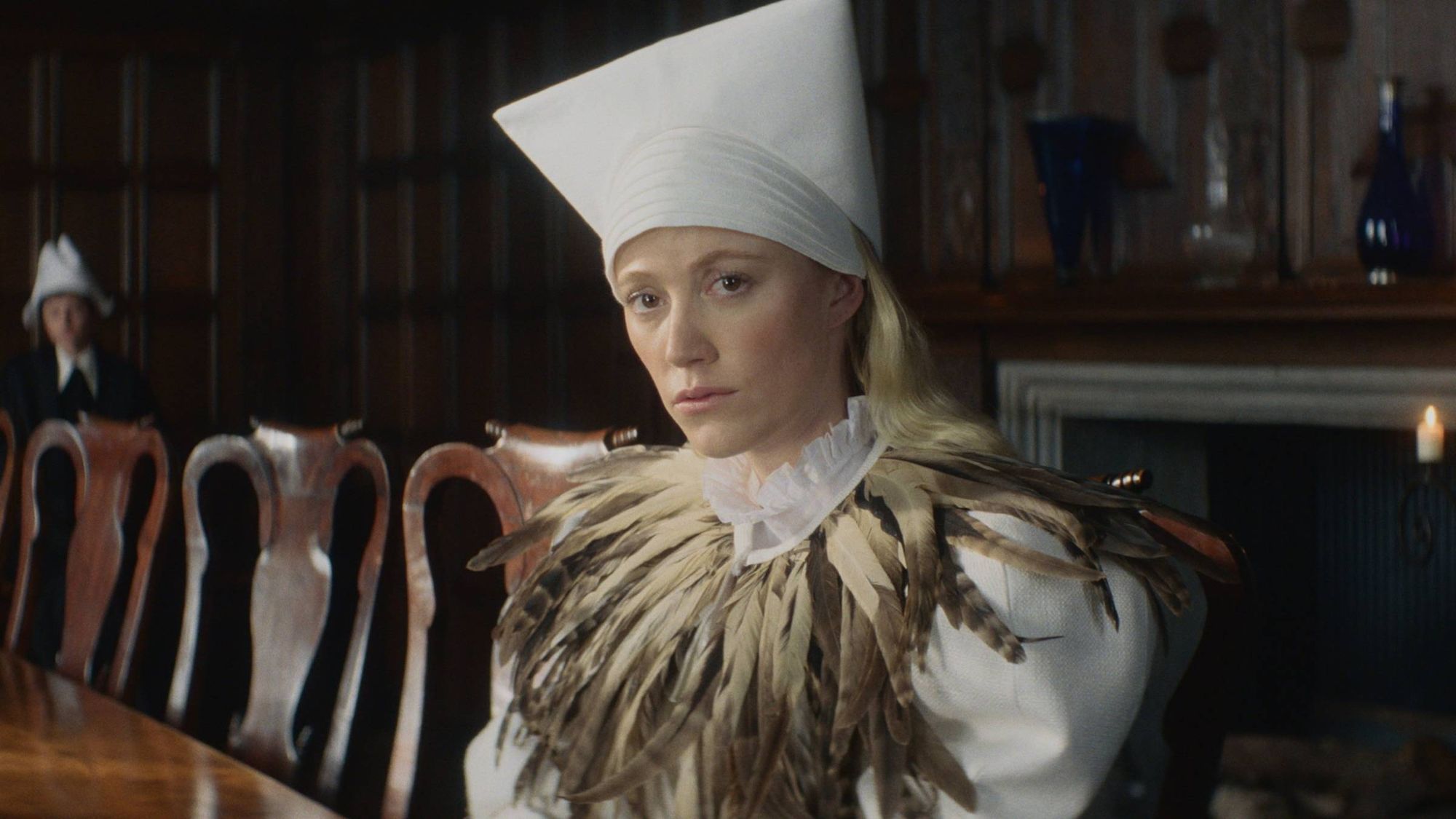
The parallels with Margaret Atwood's dystopias are hard to ignore, particularly the TV adaptation of The Handmaid's Tale. There’s a difference in tone: where Atwood’s stories are grim and harrowing, 100 Nights of Hero goes bright and farcical. But a gilded cage is still a cage, and some of the costume similarities (like oversized white headdresses) make this comparison even more striking.
4) Bridgerton
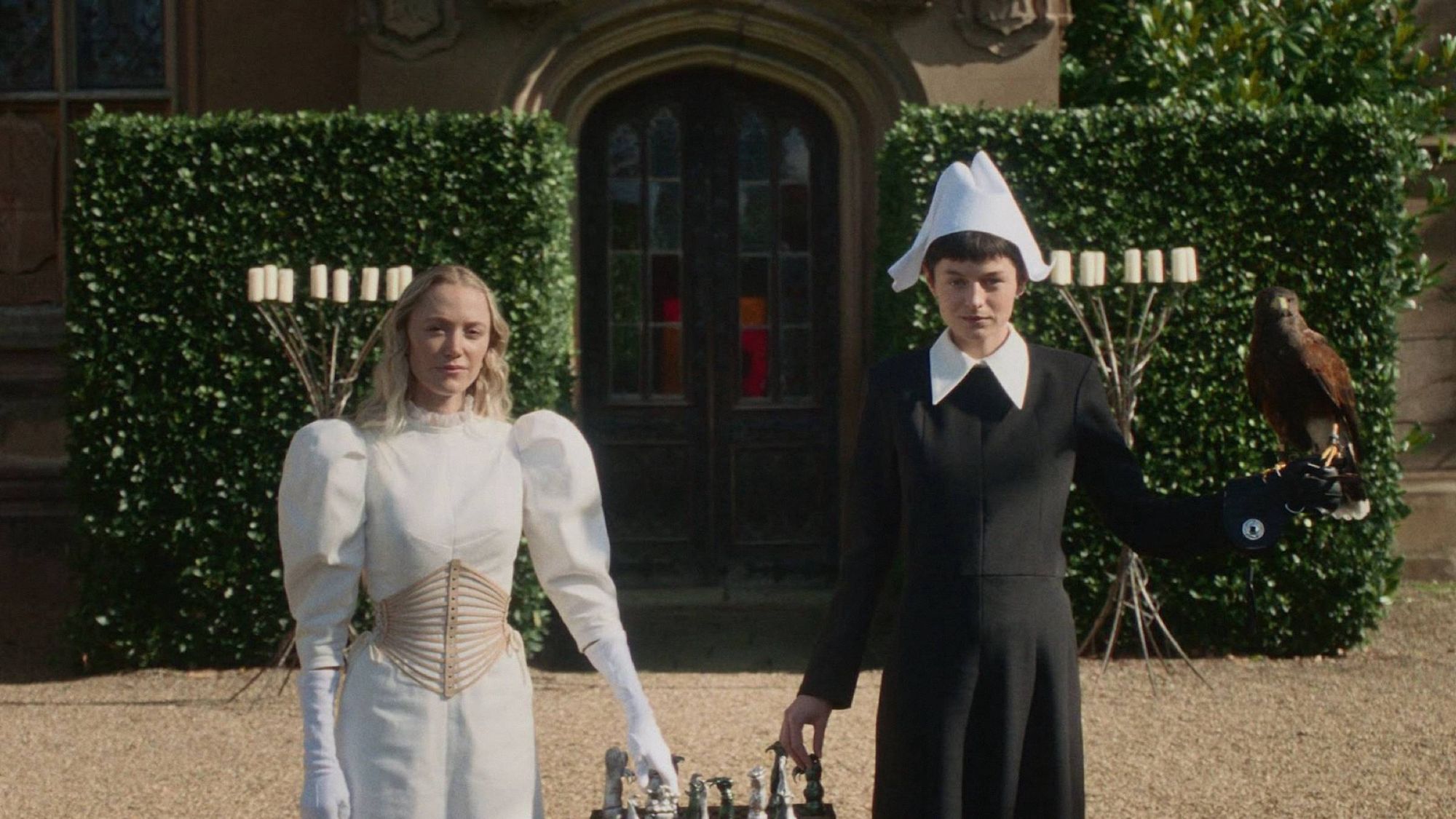
Like Bridgerton, 100 Nights of Hero is a period romance that has absolutely no interest in being period accurate. It's not trying to recreate a historical moment; it's riffing on the tropes of the past, the same way Bridgerton borrows the Georgian aesthetic of Jane Austen and the Brontë sisters and remixes it for a contemporary audience.
The corsets and candlelight are vibes, not research, and this non-literal recreation of the past acts more as commentary on the present. But while Bridgerton imagines a multiracial, LGBTQ-accepting period utopia, 100 Nights of Hero instead draws parallels between the medieval setting of the story, and today’s politicisation of women’s reproductive choices.
OK, so what happens next?
After a wink towards Hero’s upcoming role in this love triangle, we step further into rom-com territory: the love wager.
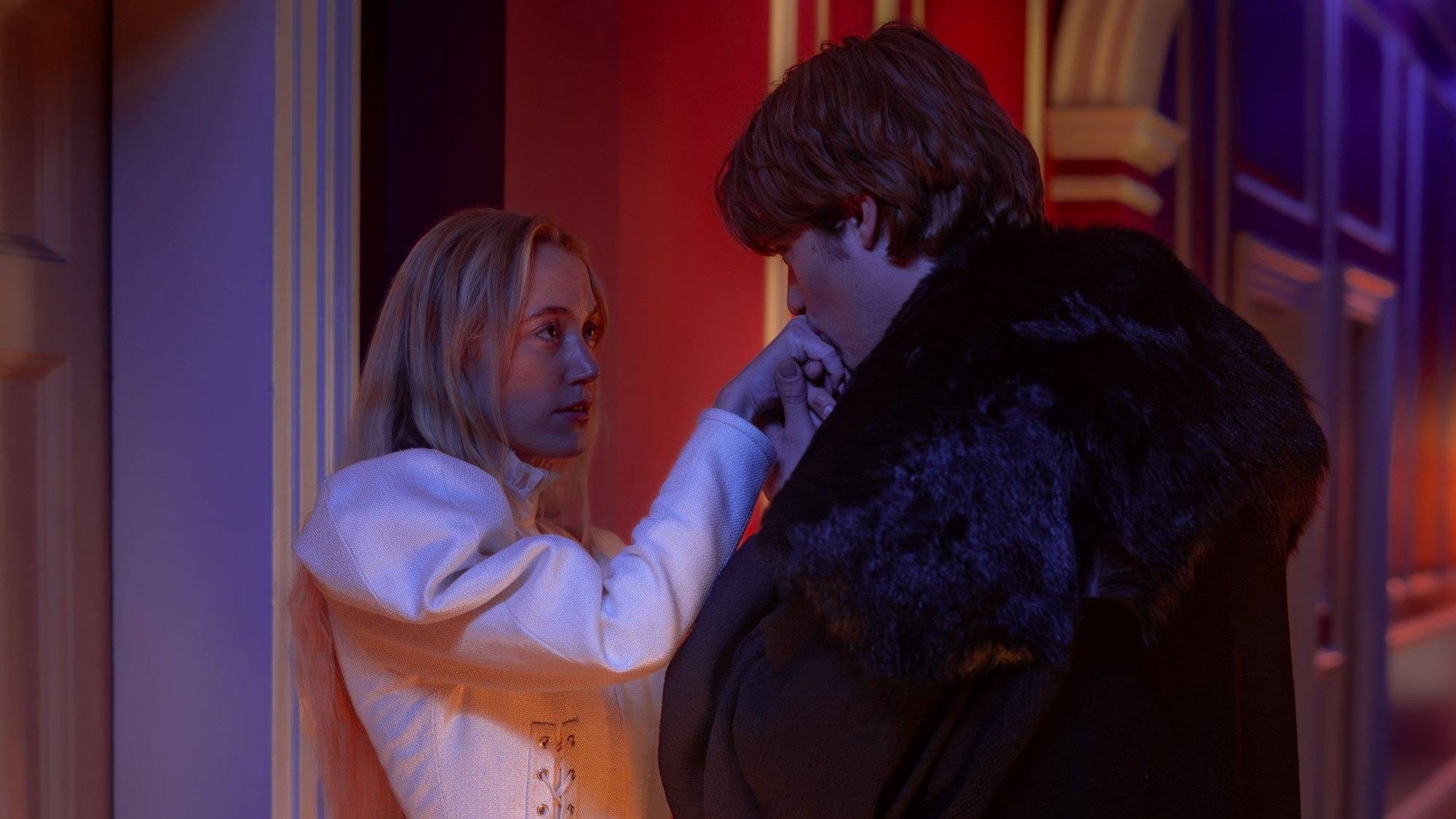
Jerome makes a bet with his handsome playboy friend Manfred (Nicholas Galitzine) that his loyal wife is impossible to seduce. Jerome will leave Cherry alone in Manfred's care: if he succeeds in seducing her, he will inherit Jerome's estate. Should he fail, he must father a child to present as Jerome's heir. Presumably, both of these outcomes will end with the dishonour (and possible execution) of Cherry.
Jerome traipses away with his manservant on a ‘business trip’, and a comic love triangle ensues: Manfred attempting to woo Cherry with his manly manliness, and Hero attempting to protect Cherry from his over-eager advances. She does so with the only weapon she has available: the power of storytelling.
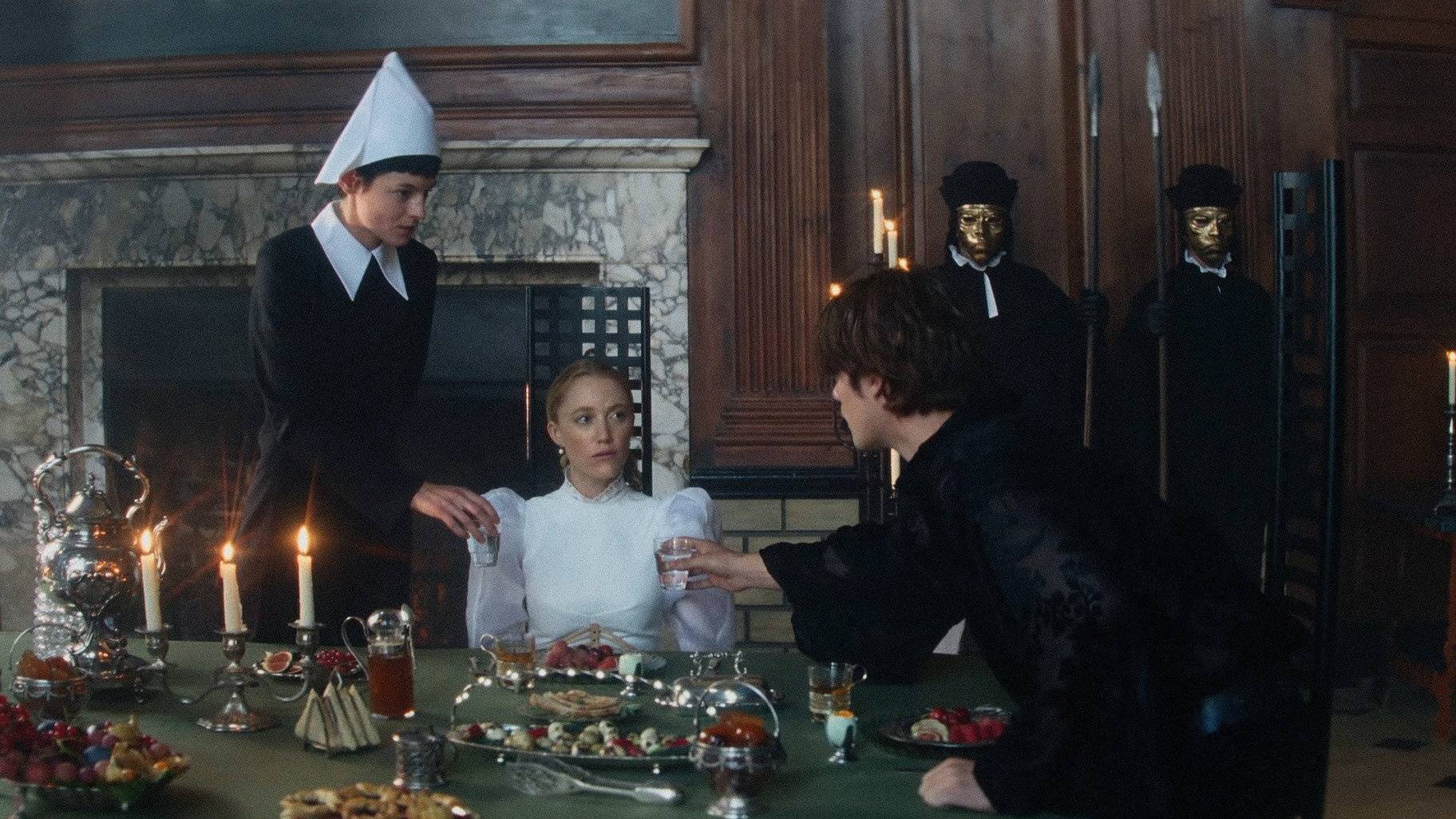
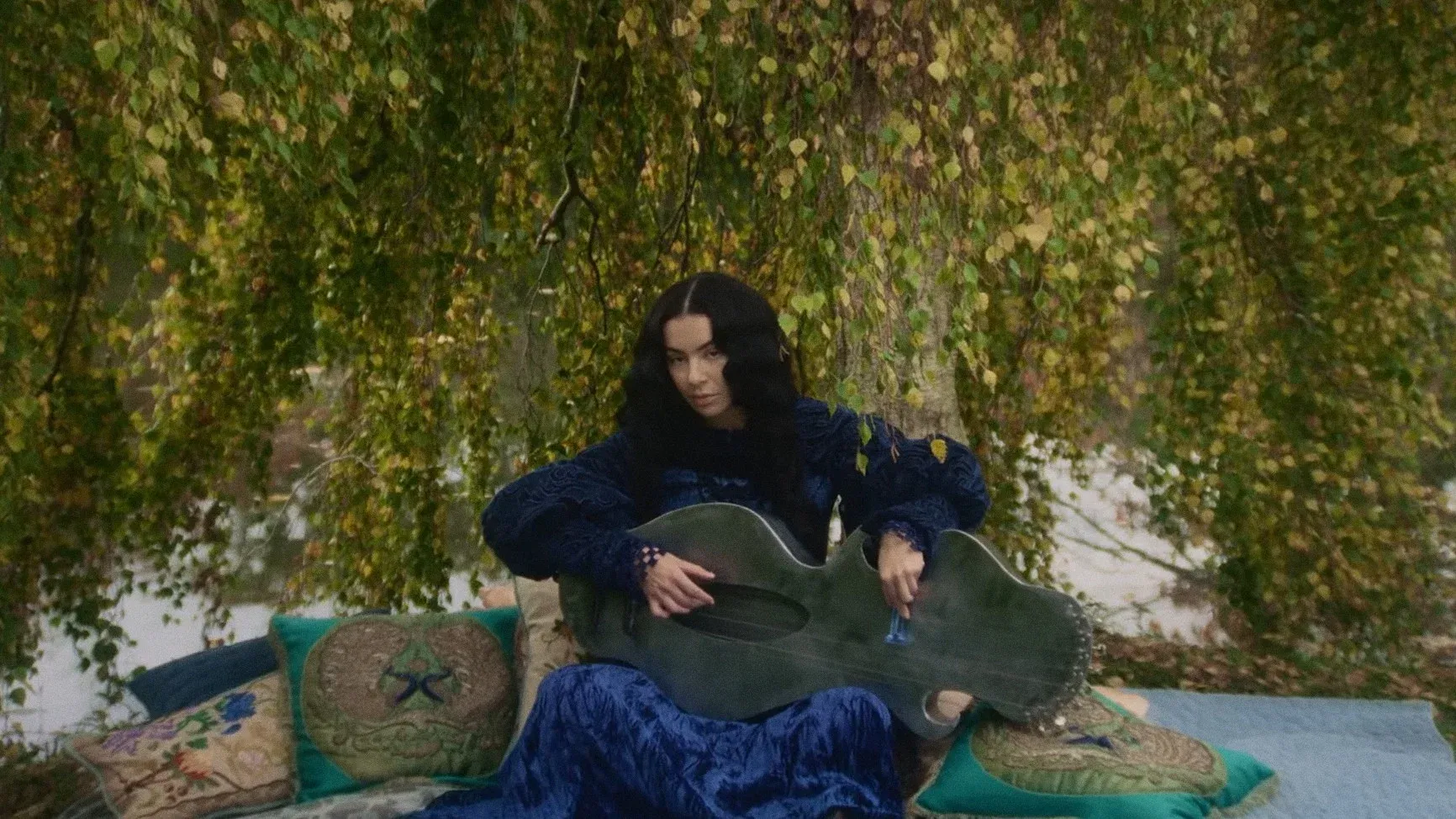
Hero and Cherry agree on a plan: whenever Manfred is being too persistent, Cherry will ask Hero to tell them a story. Cherry begins to tell the tale of three sisters (one of whom is played by Charli XCX) who harbour a dangerous secret: they can read. Over the course of 100 nights, Hero spins the tale: a parable about the power of storytelling, and literacy being stripped from women to disempower them.
Manfred’s tendency to fall asleep during these recitations helps Cherry evade his advances.
What other stories help us understand the plot so far?
5) One Thousand and One Nights
Often known in English as The Arabian Nights, One Thousand and One Nights is a collection of Arabic folk tales connected by a common fictional storyteller: Scheherazade. The backstory goes that the king kills each new wife the morning after their wedding night, until Scheherazade begins telling him a bedtime story and leaves him hanging at the cliffhanger. He can't kill her until he finds out what happens next. And so she survives until the next night. And the next.
It's one of the earliest known examples of the 'frame story', and the clear inspiration for the original 100 Nights of Hero graphic novel. Famous tales associated with One Thousand and One Nights include Aladdin and Sinbad. So it’s probably more familiar than you realise!
6) 10 Things I Hate About You
Given that this beloved 90s rom-com was itself based on Shakespeare's The Taming of the Shrew, it's no surprise it maps so neatly onto 100 Nights of Hero. Both hinge on a wager that sets a romantic pursuit in motion, and both feature a floppy-haired charmer who takes the bet, assumes it'll be easy, and then develops real feelings.
Like all the best rom-coms, 100 Nights of Hero starts with a familiar structure, then deviates from the path in order to make a point. The biggest deviation is Hero’s role. While most love wager stories (How to Lose a Guy in 10 Days is another example) hinge on the couple overcoming their flaws and their false start, this film flips the script. We watch Manfred slowly fall for Cherry, but he stays a jerk. It’s a stark contrast to Cherry’s blossoming relationship with Hero.
So, what are the key themes of 100 Nights of Hero?
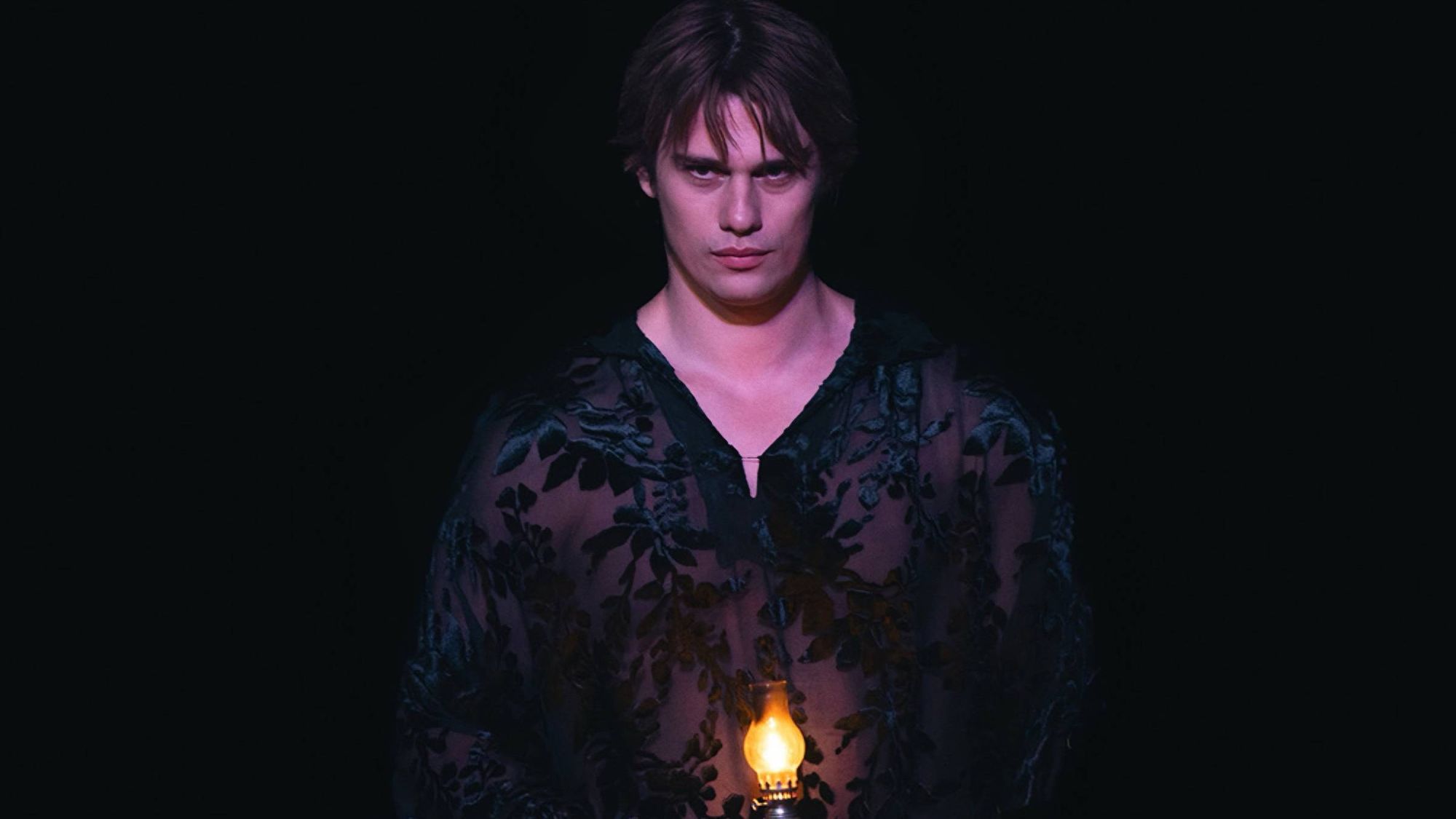
At its core, 100 Nights of Hero is a film about the telling of stories: who tells them, how they are told, and what they can achieve. On its own, the film feels almost soap-opera-esque: it's melodramatic and exposition-heavy, with an omnipotent voiceover (Felicity Jones) driving much of the action. But once this central theme becomes clear, the narrative exposition becomes self-referential. This film is cheekily self-aware: it leans into the whimsical, fable-like format in order to unpick some interesting questions about who gets to shape the stories a culture tells about itself, and what happens to the people those stories leave out.
As we’ve shown, this is a film that is best understood in the context of the stories that have shaped it. But there’s one last story that deserves a mention:
Camp. Cheesy. Completely unbothered by its own plot holes. The Princess Bride is the gold standard for a certain kind of knowing, winking fantasy romance, and 100 Nights of Hero clearly has it bookmarked. Both films find dramatic tension in absurdity, and both understand that the most satisfying love stories are the ones that never quite take themselves seriously enough to be ruined by logic.
Combining this kind of ridiculous, quirky humour with the darkness of the plot is a surprising choice. But somehow, it works.
On Fairytales, Feminism, and the Power of Telling Stories
For all its camp and colour, 100 Nights of Hero has something meaningful at its core. Being denied access to education and reproductive choices is a reality for many women in the world today. The film's fantasy world framing (literacy as witchcraft, queer love as heresy) isn't so far removed from the real mechanisms by which women's knowledge and relationships have been controlled by men.
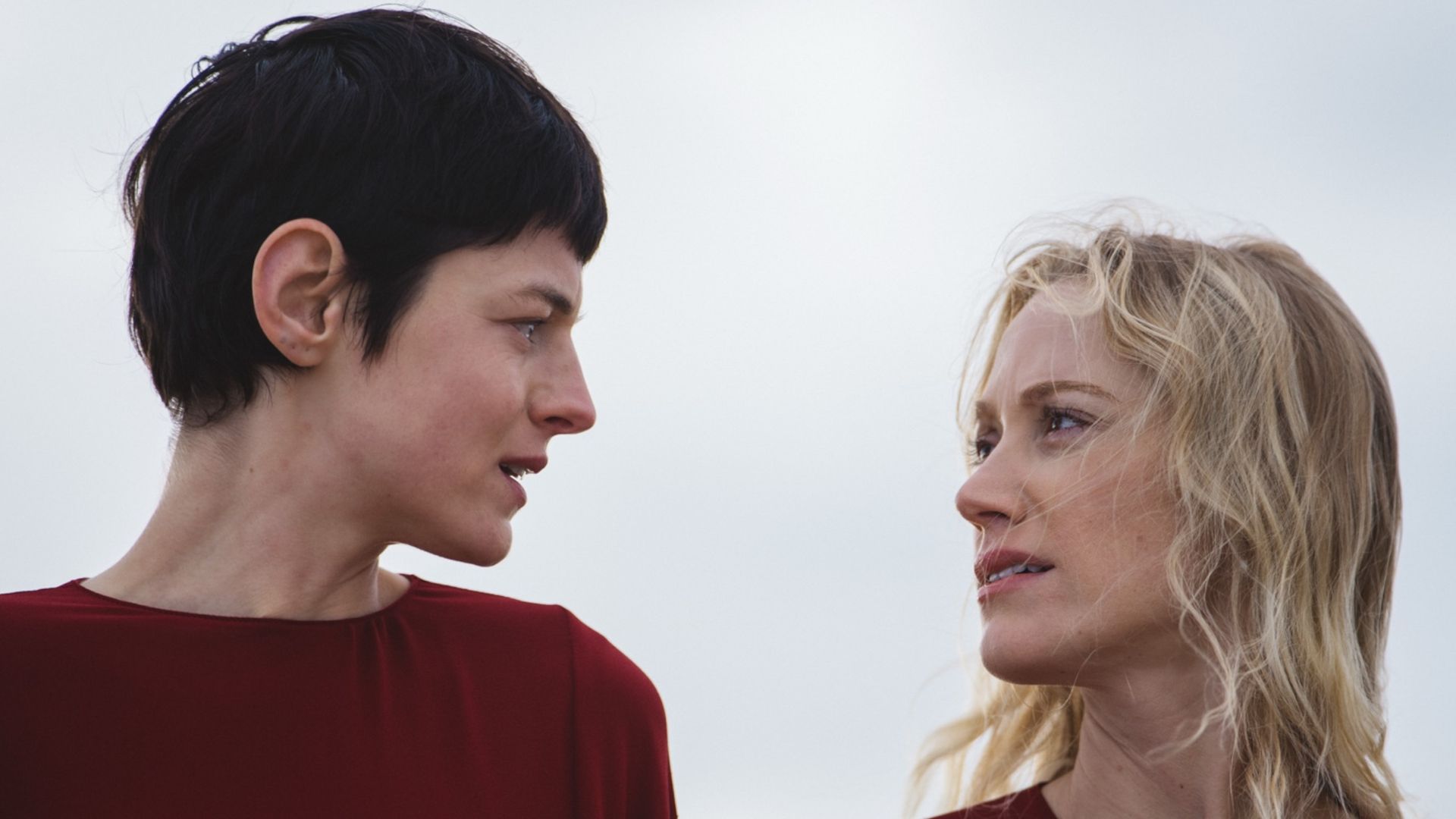
Across much of history this has been enforced through patriarchal narratives about gender roles, morality and status. Meanwhile, oral storytelling has been a way for marginalised people to subvert official narratives, maintain culture and re-assert agency.
What 100 Nights of Hero suggests is that history isn’t just written by the victor.
It’s that - in the very end - the best storytellers win.
100 Nights of Hero is out in limited cinemas around Australia from the 2nd July - so head along to see it on the big screen while you can! If you do, we're always curious for your thoughts.
Pass the popcorn 🍿
good.film