The Drama Film Guide: Asking the Question No One Wants to Answer
Zendaya and Robert Pattinson lead The Drama, a buzzy, unsettling film about love, confession and the terrifying question of whether we can ever really know each other.

good.film
7 months ago

Share
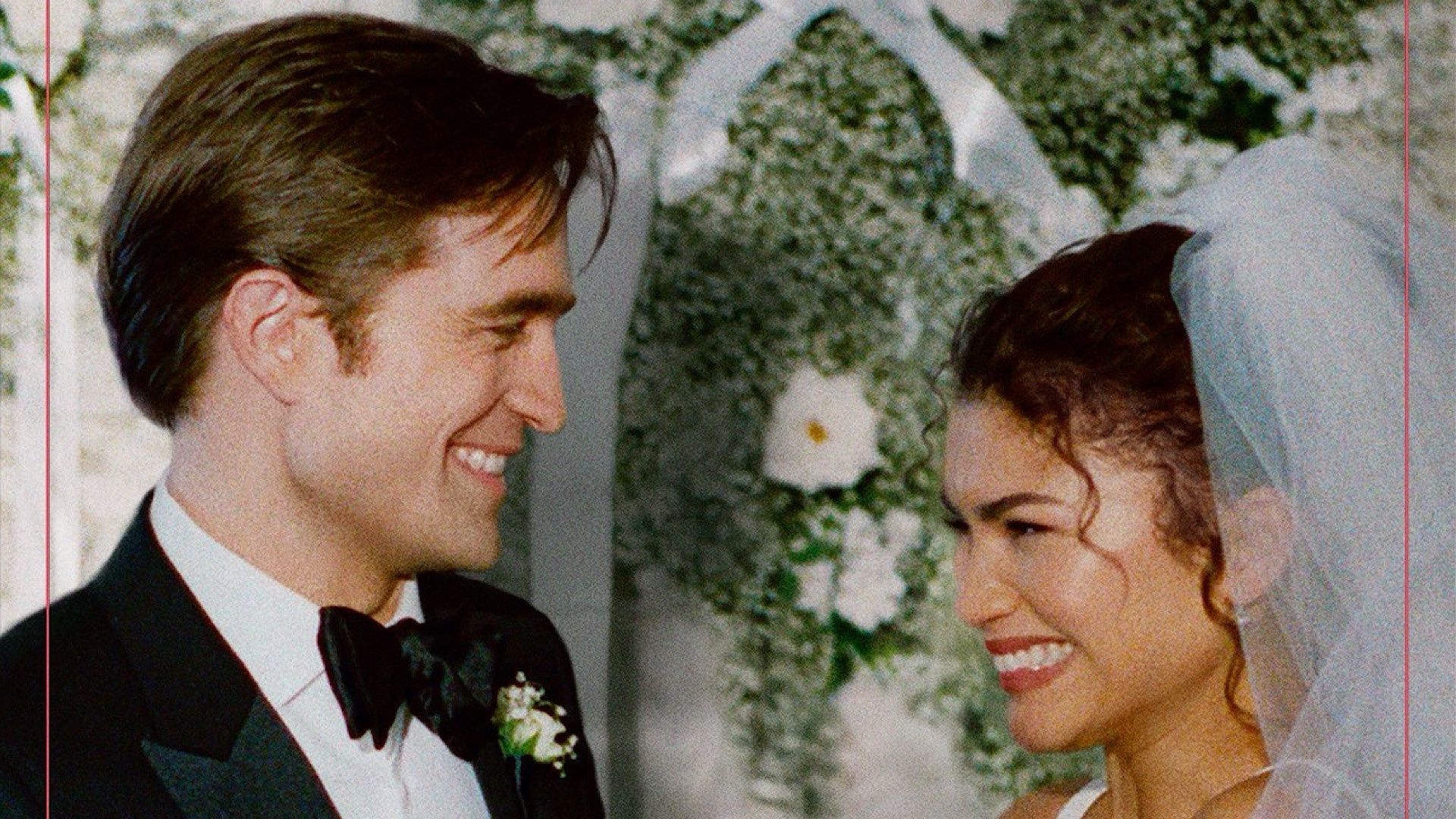
It's one of those questions that's been done to death - can we ever really know the people we love? - but Norwegian director Kristoffer Borgli (Sick of Myself, Dream Scenario) makes it feel fresh.
With Zendaya and Robert Pattinson as the leads, The Drama had plenty of buzz before a single frame was screened. Add a fake engagement announcement planted in The Boston Globe that went genuinely viral, and the marketing machine was already doing its job.
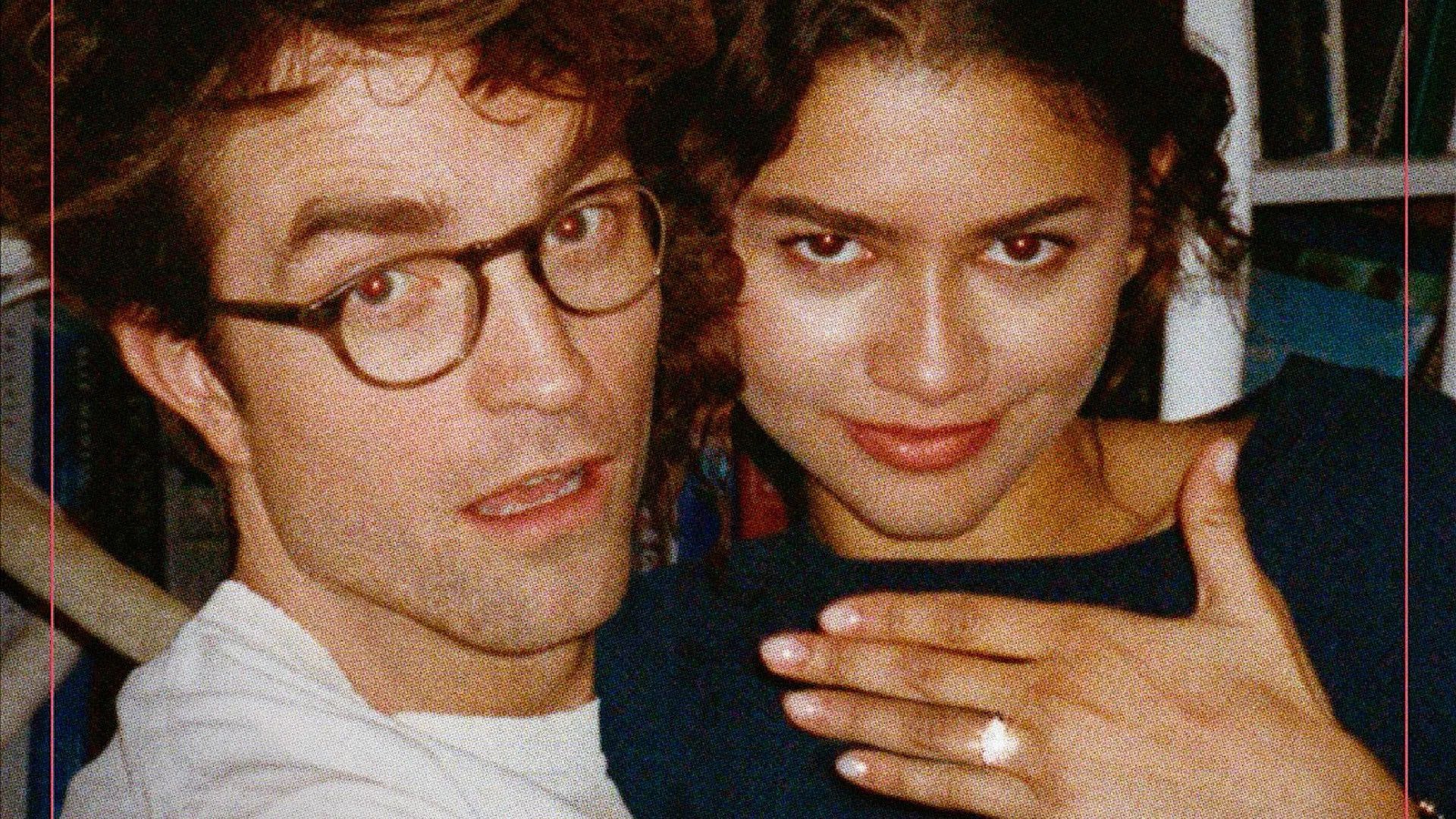
Okay, I haven't been on socials for months - what's The Drama actually about?
Emma (Zendaya) and Charlie (Pattinson) are on the glide path to their wedding. He's enthusiastically ticking every pre-marriage box. She's... less fussed. There's a restlessness to Emma that Zendaya plays with a subtle, simmering edge - small warning signs that become important later.
Borgli runs a classic bait-and-switch. The first act is warm and funny: Charlie workshopping his Best Man speech to make his mate cry, wondering how he can imply or allude to the fact that he and Emma have great sex, and a wedding dance lesson that goes brilliantly sideways when Emma hijacks the playlist and goes full freestyle.
The choreographer's meltdown is a highlight - played by the brilliant Celia Rowlson Hall, a real-life director and choreographer. If you haven't seen her music video for Love Takes Miles featuring indie darling Lucas Hedges, we'll wait while you fix that... She's also a fav of ours from playing the older Sophie in Charlotte Wells's gorgeous film Aftersun. But, we digress.
The point is, these early scenes are charming enough to make you genuinely love these two together - which is exactly the point.
Here's where the drama starts. Have you ever wondered if people would like you if they really knew you?
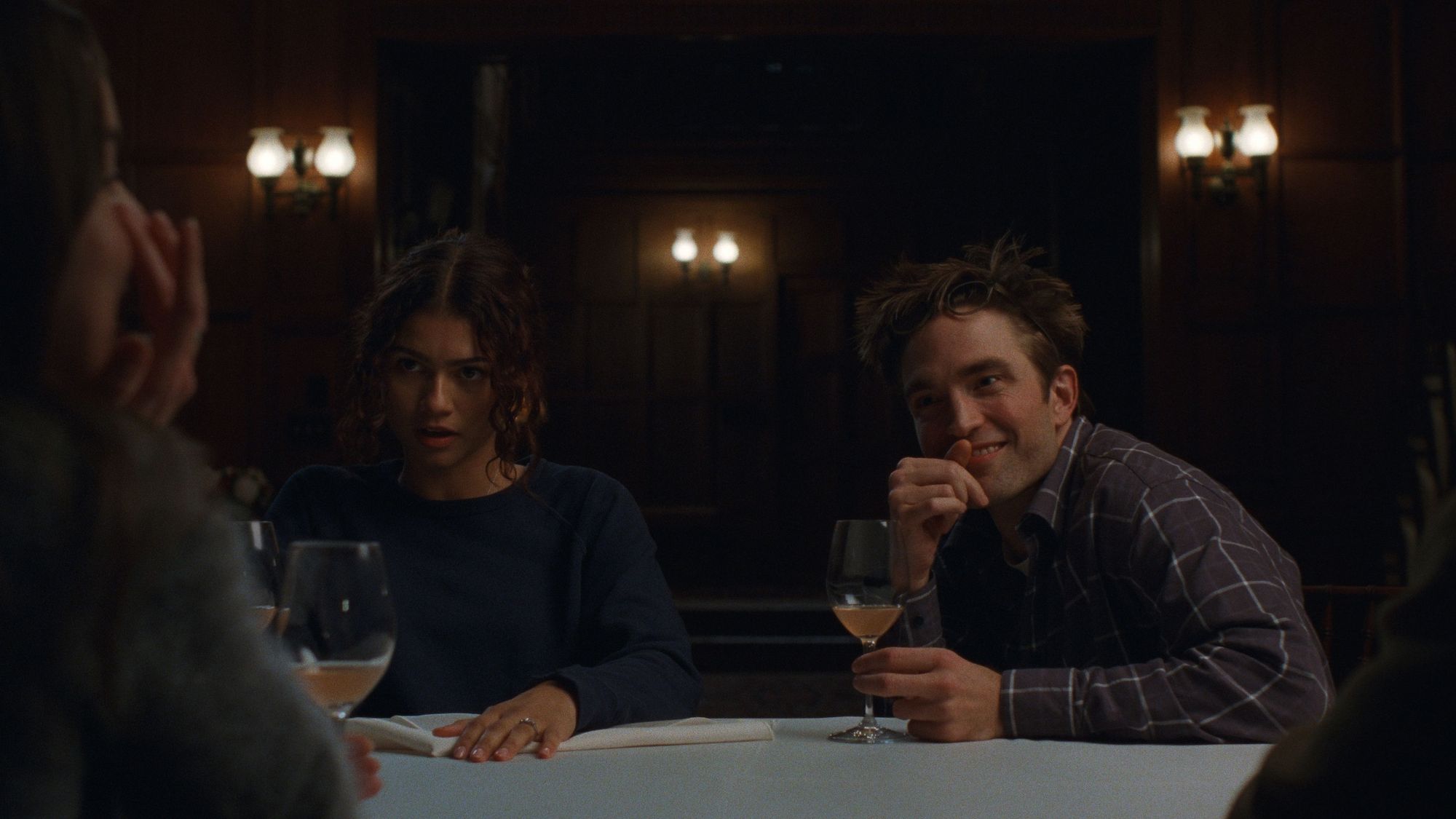
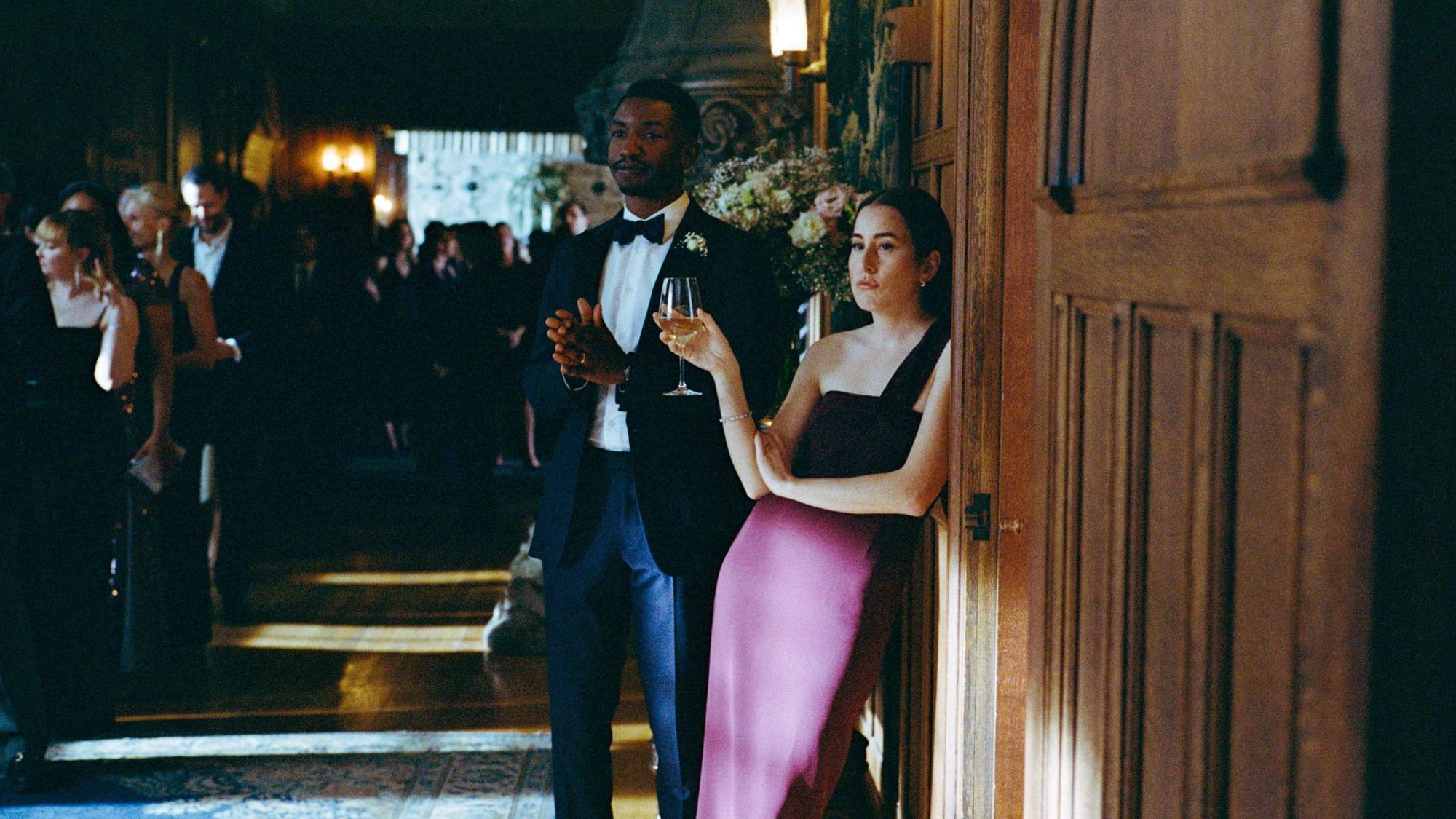
The turning point arrives at a wedding food tasting. Maid of Honour Rachel (an outstanding Alana Haim) goes rogue, demanding everyone at the table confess to the worst thing they've ever done. Everyone squirms their way through some fairly minor crimes - then Emma speaks.
If you’ve ever walked away from a social situation or looked back on a particularly thorny time in your life where you weren’t quite you, then you most certainly will connect with this on some level; that bone-deep sense of wishing you could take something back, even if it’s just an utterance. The film creates that ick feeling of knowing you aren’t coming across quite right in a conversation that’s meant to bring you closer to someone but ends up doing the exact opposite.
Spoilers from here - read at your own risk!
Emma reveals that as a troubled teenager, she brought her father's shotgun to school, but chose not to use it. It's a confronting gear shift in a film that's otherwise been light on its feet, and it's a deliberate one.
But it's also where The Drama is at its most awkward; the tonal leap is jarring enough that it's easy to understand why the film has already divided audiences.
A father of one of the children killed at Columbine has publicly condemned it, and for us here in Australia, where we're still processing the shooting in Bondi last year it's very much a live wound - it's hard to separate the cinematic intent from the real-world weight.
Whether Borgli earns the gamble is genuinely debatable.
But what's the film really asking underneath all that Drama?
The most interesting thread The Drama is pulling on is the gap between thinking something and doing it. If you've imagined doing something terrible - and never acted on it - does that make you terrible? The characters around Emma largely treat her as if she pulled the trigger. Rachel, her Maid of Honour, is particularly damning, cutting Emma off entirely and delivering a scorched-earth speech at the wedding itself.
Which is interesting, because it doesn't seem like Rachel and Emma are even that close. Has this dark, shameful secret kept Emma seperate from her friends all this time? Was this reveal actually an awkward, mistimed attempt to reach out?
You start to wonder if Rachel is less a person than a stand-in for public opinion - for the cancel-first, understand-never reflex that flattens complex human stories into a verdict. Of course, the line between what is forgivable or not is subjective, and Rachel brings her own context and family history to the disclosure. But this question is the sharpest idea in the film, and one that we wish Borgli gave a bit more time to before the next gag arrived.
The takeaway.
If we’re talking purely vibes, though, the movie nails it. The film’s uncanniness is beautifully reflected in some clever editing by Borgli and Joshua Raymond Lee, and a paranoid, discordant score from Daniel Pemberton keeps things pacey. Borgli shows us how substance can be so closely mirrored in style - to great effect
But the film's most provocative question - where's the line between a dark thought and a dark act, and who gets to draw it? - deserves more room than it gets. The comedy and drama is good enough that you'll leave entertained. Whether you'll leave satisfied...? We'd love to know.